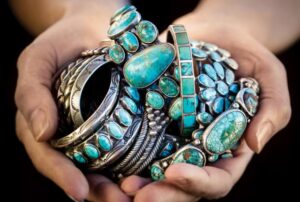
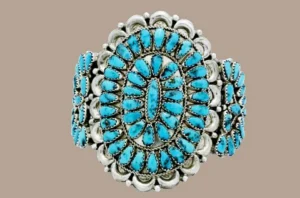
Native American jewelry represents one of the most influential forms of handcrafted decorative art in North America, bringing together generations of artistic knowledge, skilled silversmithing, natural materials, and cultural expression. Every handcrafted bracelet, necklace, ring, pendant, earring, squash blossom necklace, concho belt, bolo tie, or ceremonial adornment reflects far more than individual creativity. Each piece exists within a broader tradition shaped by communities that have continuously refined their artistic practices while adapting to changing materials, technologies, and markets over time. Understanding Native American jewelry therefore begins with recognizing it as an artistic discipline where craftsmanship, design, heritage, and innovation work together to produce objects admired throughout the world.
One of the most remarkable aspects of Native American jewelry is its diversity. Rather than representing a single artistic style, it encompasses numerous traditions that differ in technique, aesthetic philosophy, regional influence, and creative expression. This diversity has allowed Native American jewelry to remain both historically significant and continuously evolving, giving collectors, historians, museums, and jewelry enthusiasts endless opportunities to appreciate craftsmanship from different artistic perspectives. Learning these fundamentals creates the foundation for understanding every other aspect of Native American jewelry, from gemstones and silversmithing to tribal artistry and collecting.
How Native American Jewelry Has Evolved Across Generations
Long before sterling silver became closely associated with Native American jewelry, Indigenous communities created personal adornments from materials available within their surrounding environments. Shell, bone, stone, wood, copper, seeds, turquoise, and other naturally occurring materials were shaped into ornaments that reflected both artistic creativity and practical craftsmanship. As new materials and metalworking techniques became available during the nineteenth century, Native American silversmiths expanded these traditions through the development of exceptional silverwork that would eventually become internationally recognized as one of the defining characteristics of Southwestern jewelry.
Over generations, artistic knowledge continued to develop as silversmiths refined techniques, experimented with new design approaches, and incorporated carefully selected natural gemstones into increasingly sophisticated compositions. Today, Native American jewelry represents both continuity and innovation, preserving traditional craftsmanship while allowing contemporary artists to express their own creative vision. This remarkable evolution explains why Native American jewelry remains respected not only as wearable adornment but also as an important form of American artistic heritage.
Understanding the Materials That Define Native American Jewelry
Every exceptional piece of Native American jewelry begins with carefully chosen materials. Sterling silver remains the foundation of contemporary silversmithing because of its strength, workability, and ability to showcase intricate handcrafted detail. Through forging, stamping, engraving, soldering, polishing, oxidation, and finishing, artisans transform raw silver into remarkably expressive works of wearable art that balance durability with refined craftsmanship.
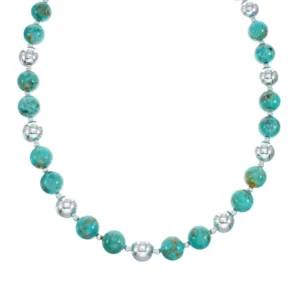
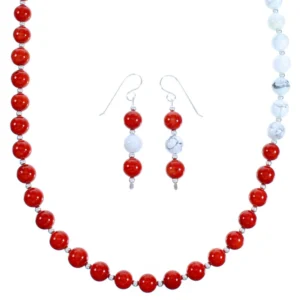
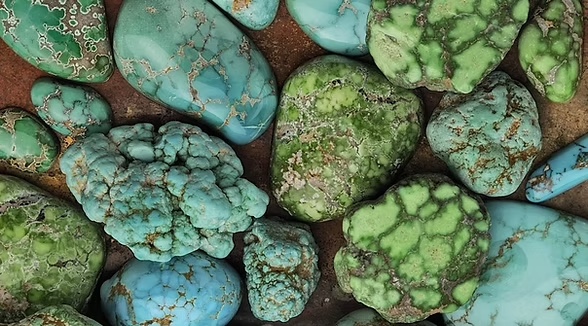
Natural materials provide the individuality that distinguishes one piece from another. Turquoise is perhaps the most recognized gemstone within Southwestern jewelry, admired for its extraordinary range of blue and green tones as well as its naturally occurring matrix patterns. Coral contributes warmth and striking visual contrast, while spiny oyster shell introduces vibrant oranges, purples, and reds rarely found in other natural materials. Jet offers dramatic depth, mother of pearl contributes luminous elegance, lapis lazuli provides rich royal blues, and gemstones such as sugilite, opal, onyx, and shell further expand the creative possibilities available to skilled artisans. Understanding the unique characteristics of these materials allows collectors to appreciate why no two handcrafted pieces are ever truly identical.
Distinct Tribal Traditions, Distinct Artistic Identities
Native American jewelry is best understood as a collection of many artistic traditions rather than a single style. Among the most widely recognized are Navajo, Zuni, and Hopi jewelry, each distinguished by its own techniques, design language, and creative philosophy. Navajo silversmithing is celebrated for bold sterling silver work, exceptional craftsmanship, and its enduring relationship with natural turquoise. Zuni artisans have earned worldwide admiration for intricate lapidary techniques, including needlepoint, petit point, and sophisticated stone inlay. Hopi silversmiths are renowned for overlay silverwork and thoughtfully composed symbolic imagery that communicates through elegant simplicity.
These traditions illustrate the remarkable diversity that exists within Native American jewelry, yet they do not represent the full breadth of Indigenous artistic expression. Numerous Native communities have contributed distinctive materials, techniques, and design philosophies that continue to enrich the broader field of Native American jewelry. Appreciating these differences encourages a deeper understanding of the artists, communities, and cultural histories that have shaped one of the world’s most respected handcrafted jewelry traditions.
The Many Forms of Native American Jewelry
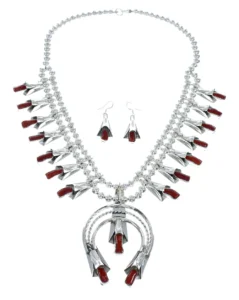
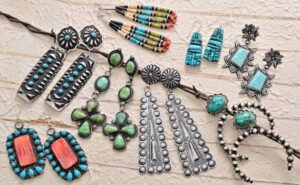
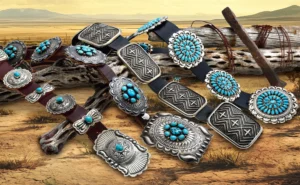
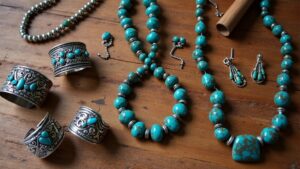
Native American artistry extends across a remarkable variety of jewelry forms, each presenting its own creative possibilities and technical challenges. Squash blossom necklaces are recognized for their iconic silhouette and masterful silverwork, while necklaces and pendants provide opportunities to showcase natural gemstones and symbolic design. Bracelets and cuffs demonstrate architectural balance and exceptional metalworking, rings require remarkable precision on a smaller scale, and earrings combine elegance with movement and symmetry. Bolo ties, concho belts, and handcrafted belt buckles further illustrate how Native American silversmiths have transformed functional objects into enduring works of art.
Each jewelry type reflects different aspects of craftsmanship while sharing the same commitment to originality, balance, and quality. Exploring these forms individually allows collectors to understand not only how they differ in construction but also why each occupies an important place within the broader tradition of Native American jewelry.
The Craftsmanship Behind Every Handcrafted Piece
Exceptional craftsmanship is the defining characteristic of authentic Native American jewelry. Behind every finished design lies a sequence of highly skilled processes that demand technical knowledge, artistic judgment, and years of experience. Depending on the intended design, artisans may forge silver from raw stock, apply decorative stamp work, engrave intricate patterns, construct bezel settings by hand, shape natural gemstones, create repoussé textures, perform overlay silverwork, oxidize surfaces to increase contrast, and finish every edge through careful polishing and refinement. These methods require patience and precision because each decision influences both the appearance and structural integrity of the finished jewelry.
Unlike factory manufacturing, handcrafted silversmithing values originality over mechanical repetition. Small variations naturally reflect the artisan’s individual approach, giving every piece a unique identity while demonstrating the human skill invested throughout its creation. Understanding these techniques allows collectors to recognize craftsmanship not simply as decoration but as the very foundation upon which Native American jewelry has built its international reputation.
Appreciating Authenticity, Quality, and Long-Term Value
Developing confidence in Native American jewelry begins with education rather than assumption. Authenticity is evaluated through a combination of craftsmanship, materials, construction quality, artist identification where available, and the overall integrity of the finished work. Collectors often examine silverwork, stone setting, balance, finishing, and hallmarks alongside the reputation of the seller and the information provided about each piece. Learning how these factors work together helps buyers make informed decisions while developing a deeper appreciation for exceptional craftsmanship.
Many people are also drawn to Native American jewelry because it carries lasting personal value. Beautifully handcrafted pieces are frequently worn across generations, preserved within family collections, exhibited in museums, or admired as examples of outstanding artistic achievement. Their significance often grows over time, not only because of their beauty but because they embody skilled craftsmanship, thoughtful design, and enduring artistic traditions.
Continue Your Journey Through Native American Jewelry
Understanding the fundamentals is only the beginning of discovering the remarkable world of Native American jewelry. Throughout our Learning Center, you’ll find in-depth resources exploring the history of Native American jewelry, tribal artistic traditions, the evolution of squash blossom necklaces, natural gemstones, traditional silversmithing techniques, authenticity, collecting, jewelry care, and practical guidance for choosing handcrafted pieces with confidence. Each guide has been created to build upon the knowledge introduced here, helping you develop a deeper appreciation for the artistry, heritage, and craftsmanship that continue to define Native American jewelry today.
Whether you are beginning your first collection, expanding a lifelong interest, or simply seeking reliable information, the goal of this Learning Center is to provide educational content that is accurate, thoughtfully organized, and genuinely useful. By understanding the traditions behind every handcrafted creation, you gain more than knowledge, you gain a greater appreciation for one of North America’s most enduring artistic legacies.