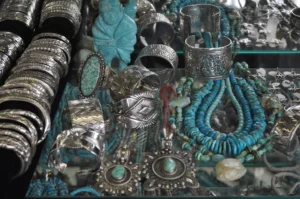
Native American jewelry is often described as though it represents a single artistic tradition, yet it is more accurately understood as a collection of diverse artistic practices developed by many Indigenous communities across North America. Every community has cultivated its own approaches to design, craftsmanship, symbolism, and material selection, producing jewelry that reflects generations of accumulated knowledge rather than a universal style. Appreciating this diversity is one of the most important steps toward understanding Native American jewelry because it encourages buyers and collectors to recognize individual artistic identities instead of viewing every handcrafted piece through the same lens.
This diversity developed naturally over centuries as communities responded to different landscapes, available materials, trade relationships, artistic influences, and creative priorities. Geography influenced access to natural stones, shells, and metals, while local traditions shaped decorative preferences and technical innovation. Although these artistic traditions share a commitment to exceptional craftsmanship, they remain remarkably individual in both appearance and philosophy. Understanding these distinctions allows every bracelet, pendant, necklace, ring, earring, or ceremonial object to be appreciated within the broader story of Native American art rather than as an isolated work of jewelry.
Geography Shapes Artistic Identity
The physical landscape of the American Southwest and surrounding regions has played a significant role in the development of Native American jewelry. Communities adapted their craftsmanship to the natural resources available within their environments, incorporating locally accessible stones, shells, minerals, and metals into increasingly sophisticated artistic traditions. These regional influences affected not only the materials selected by artisans but also the colors, textures, proportions, and decorative styles that became associated with different communities. Over time, geography became an important influence on artistic identity, helping distinguish one tradition from another while strengthening the relationship between craftsmanship and the natural world.
Regional exchange also contributed to artistic development. Trade routes introduced new materials, techniques, and creative ideas that artisans thoughtfully incorporated into their work without abandoning their own artistic identities. This continual exchange encouraged innovation while preserving the distinctive visual language of individual communities, allowing Native American jewelry to evolve through collaboration, adaptation, and shared craftsmanship rather than imitation.
Distinctive Traditions Within Native American Jewelry
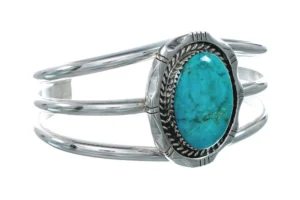
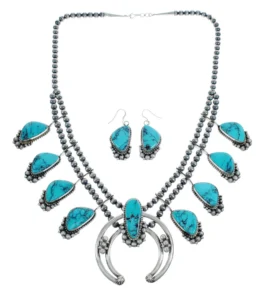
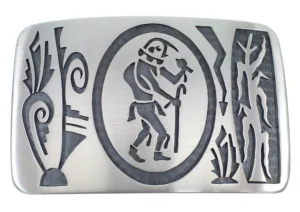
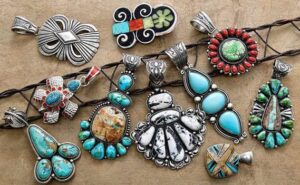
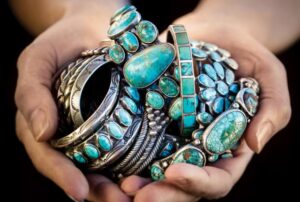
Among the most widely recognized artistic traditions are Navajo, Zuni, and Hopi jewelry, each representing a unique approach to craftsmanship. Navajo silversmithing is celebrated for bold sterling silver construction, expressive stamp work, and masterful use of natural turquoise. Zuni artisans have become internationally respected for intricate lapidary techniques, including needlepoint, petit point, mosaic inlay, and carefully balanced gemstone compositions that demonstrate extraordinary precision. Hopi jewelry is distinguished by its refined overlay technique, architectural simplicity, and symbolic imagery, where carefully composed designs communicate through elegant contrast rather than elaborate ornamentation.
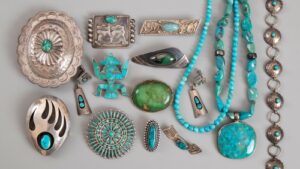
These three traditions have helped shape international appreciation for Native American jewelry, yet they represent only part of a much broader artistic landscape. Other Native communities have contributed exceptional beadwork, shell artistry, silverwork, basketry influences, textile-inspired motifs, and innovative jewelry forms that enrich the diversity of Indigenous decorative arts. Recognizing this broader picture encourages a more accurate appreciation of Native American jewelry as a vibrant collection of artistic traditions rather than a single visual style.
Shared Principles That Unite Diverse Traditions
Although Native American jewelry encompasses many artistic identities, several enduring principles connect these traditions. Respect for craftsmanship remains fundamental, with artisans investing significant time in mastering technical skills and refining every stage of the creative process. Carefully selected natural materials, balanced design, structural integrity, and thoughtful artistic expression continue to define exceptional handcrafted jewelry regardless of the specific tribal tradition or stylistic approach. These shared values help explain why Native American jewelry has earned enduring respect among collectors, museums, historians, and enthusiasts around the world.
Equally important is the commitment to originality. Rather than relying upon standardized production, artisans develop designs that reflect personal creativity while respecting established techniques and artistic traditions. This balance between continuity and individual expression ensures that Native American jewelry remains a living art form, where every generation contributes new interpretations without losing sight of the craftsmanship and cultural heritage that form its foundation.
Learning to Appreciate Individual Artistic Styles
Developing an appreciation for Native American jewelry involves more than recognizing familiar materials or decorative motifs. It requires careful observation of craftsmanship, design philosophy, construction methods, gemstone selection, and artistic composition. As collectors gain experience, they often begin noticing subtle differences in silverwork, stone arrangement, engraving, proportions, and finishing techniques that reveal the individuality of both the artisan and the artistic tradition from which a piece emerged. These observations transform collecting into an educational journey where every handcrafted creation offers an opportunity to deepen one’s understanding of Native American art.
Rather than comparing traditions to determine which is superior, knowledgeable collectors appreciate the distinct strengths each artistic community brings to Native American jewelry. Every tradition contributes unique perspectives, technical achievements, and aesthetic values that together create one of the richest and most diverse bodies of handcrafted jewelry in the world. This appreciation encourages respectful collecting while recognizing the extraordinary creativity that continues to shape Native American artistry today.
Discover the Stories Behind Every Tradition
Understanding tribal traditions opens the door to a deeper appreciation of Native American jewelry as both art and cultural expression. Throughout our Learning Center, you’ll find dedicated resources exploring Navajo silversmithing, Zuni lapidary excellence, Hopi overlay craftsmanship, traditional jewelry techniques, natural gemstones, authenticity, and the historical evolution of Native American decorative arts. Together, these guides reveal how each artistic tradition contributes to the extraordinary diversity that defines Native American jewelry today.
Whether you are beginning your exploration or expanding an established collection, learning about tribal traditions provides the knowledge needed to appreciate every handcrafted piece on its own artistic merits. By recognizing the individuality behind each tradition, every bracelet, necklace, pendant, ring, or pair of earrings becomes more than beautiful jewelry—it becomes part of a broader story of creativity, craftsmanship, and enduring Indigenous artistic heritage.