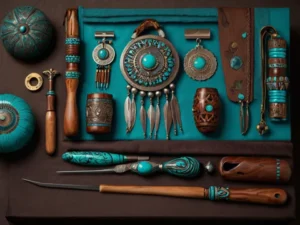
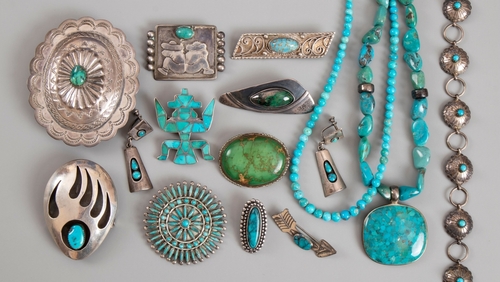
In an era where countless products are manufactured in enormous quantities and designed to be quickly replaced, handcrafted Native American jewelry offers something increasingly uncommon: permanence. Every carefully formed bracelet, ring, pendant, necklace, pair of earrings, or concho belt reflects an artistic philosophy that values patience over speed, originality over repetition, and craftsmanship over convenience. These qualities explain why tribal craftsmanship continues attracting admiration from collectors, museums, designers, educators, and art enthusiasts across continents. Its influence extends well beyond jewelry because it represents a way of thinking about creativity that remains deeply relevant in the modern world.
Remarkably, this admiration has continued to grow even as artistic trends have changed. Rather than becoming a historical curiosity, Native American craftsmanship has established itself as one of the world’s most respected examples of handmade decorative art. Its enduring appeal lies not in nostalgia but in its ability to communicate authenticity, discipline, and artistic excellence to every new generation that encounters it.
Great Craftsmanship Speaks a Universal Language
One of the reasons tribal craftsmanship resonates with people around the world is that exceptional workmanship requires no translation. Even someone encountering Native American jewelry for the first time can often recognise balance, precision, thoughtful composition, and careful finishing. These qualities communicate themselves visually, allowing the jewelry to be appreciated regardless of language, culture, or previous collecting experience.
As understanding grows, admiration becomes even deeper. What first appears to be a beautifully crafted object gradually reveals countless thoughtful decisions hidden within its design. Every engraved line, carefully shaped bezel, polished surface, and harmonious proportion reflects an artisan’s commitment to creating something that will endure long after trends have changed. This universal appreciation for excellence allows Native American craftsmanship to connect with audiences far beyond its place of origin.
Museums Preserve More Than Beautiful Objects
Across the world, museums devote considerable attention to Native American jewelry because they recognise it as an important expression of artistic achievement. These collections do far more than display remarkable bracelets, necklaces, or pendants. They preserve the ideas, techniques, creativity, and craftsmanship that gave those objects their lasting significance. Every exhibition provides visitors with an opportunity to understand not only what Native American artisans created but also why their work continues to influence decorative arts today.
Museum collections also encourage careful observation. Visitors are invited to slow down, examine detail, compare artistic approaches, and appreciate the remarkable skill required to transform sterling silver and natural materials into enduring works of art. In doing so, museums help ensure that tribal craftsmanship remains a living subject of study rather than simply a historical record.
Inspiration Travels Across Artistic Disciplines
The influence of Native American craftsmanship extends well beyond jewelry. Designers, architects, sculptors, metalworkers, fashion creators, and contemporary artists frequently study handcrafted Native American work because of its remarkable use of proportion, rhythm, texture, balance, and material relationships. These artistic principles are not limited to silverwork. They provide valuable lessons for anyone seeking to create objects that feel both visually compelling and structurally harmonious.
Perhaps the greatest contribution lies in the philosophy behind the work. Native American craftsmanship demonstrates that meaningful design begins with observation, patience, and thoughtful execution rather than unnecessary complexity. This lesson continues inspiring creative professionals working in disciplines far removed from jewelry, proving that exceptional artistry often transcends the materials from which it is made.
Collectors Become Custodians of Artistic Excellence
Building a collection involves more than acquiring remarkable objects. Thoughtful collectors play an important role in preserving craftsmanship for future generations. Every carefully selected piece represents recognition of an artisan’s creativity, technical achievement, and contribution to an artistic tradition that continues evolving through dedicated practice. In this way, collecting becomes an act of stewardship as well as appreciation.
Many experienced collectors also become educators, sharing knowledge with family members, fellow enthusiasts, museums, and emerging collectors. Their curiosity encourages continued research into craftsmanship, artistic development, and individual makers, helping ensure that the stories behind handcrafted jewelry remain as valued as the jewelry itself. The influence of tribal craftsmanship therefore extends through both the artisans who create it and the collectors who preserve its legacy.
Why Authentic Handcraft Still Matters
As technology becomes increasingly capable of producing visually convincing imitations, genuine handcrafted work becomes even more meaningful. Native American jewelry reminds us that artistic value is not measured solely by appearance. It is also found in the countless human decisions that shape every finished piece. Slight variations in silverwork, carefully judged proportions, subtle decorative details, and the individuality of natural materials all reflect the presence of a skilled artisan whose creativity cannot be duplicated through automated production.
This human element gives handcrafted jewelry a depth of character that machines cannot replicate. Collectors are not simply acquiring sterling silver or natural gemstones. They are appreciating imagination transformed into tangible form through knowledge, experience, and disciplined craftsmanship. That connection between maker and object continues to distinguish tribal craftsmanship in an increasingly mechanised world.
Looking Forward Without Losing Identity
The future of Native American craftsmanship appears promising because its greatest strengths remain timeless. New generations of artisans continue refining traditional skills while introducing original artistic ideas that reflect contemporary perspectives. Their work demonstrates that innovation and heritage are not opposing forces. Instead, they support one another, allowing the tradition to remain both recognisable and continually renewed.
Equally encouraging is the growing interest shown by younger collectors, educational institutions, museums, and cultural organisations. Greater access to reliable information has encouraged more thoughtful appreciation of Native American jewelry, helping audiences understand the remarkable craftsmanship behind every creation. This expanding knowledge ensures that tribal artistry will continue finding new admirers while preserving the standards that have defined it for generations.
Conclusion
The enduring influence of Native American tribal craftsmanship cannot be explained by beauty alone. It continues inspiring the world because it represents values that remain universally admired: patience, originality, technical excellence, artistic integrity, and a profound respect for the creative process. Every handcrafted piece stands as evidence that meaningful art is created through careful observation, disciplined practice, and an unwavering commitment to quality.
As this category comes to a close, one truth becomes unmistakably clear. Tribal craftsmanship is not simply a chapter in the history of jewelry. It is a living artistic tradition that continues shaping the future of handcrafted design while reminding the world that genuine excellence is timeless. Whether admired in a museum, treasured within a private collection, or worn as a personal expression of artistry, Native American jewelry continues to inspire because it reflects the very best of human creativity.