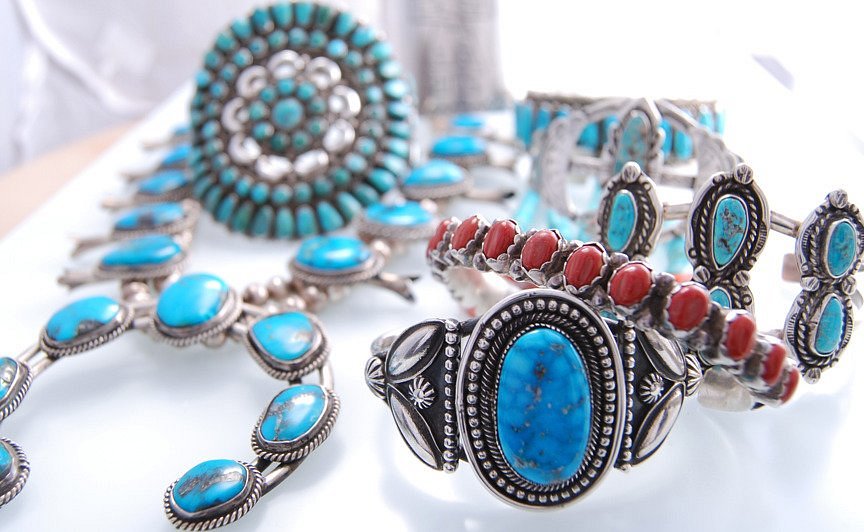
Every piece of authentic Native American jewelry represents far more than sterling silver and natural gemstones. It embodies the imagination of the artisan, the knowledge refined through generations of silversmithing, the remarkable history of natural materials formed beneath the earth over millions of years, and the countless hours required to transform those materials into wearable works of art. When collectors care for handcrafted bracelets, rings, pendants, necklaces, earrings, and concho belts, they are preserving much more than physical objects. They are protecting creativity, craftsmanship, tradition, and the enduring legacy of one of the world’s most respected artistic disciplines.
This broader perspective changes the meaning of jewelry care completely. Cleaning, storing, wearing, and maintaining handcrafted pieces are no longer routine maintenance tasks. They become deliberate acts of stewardship. Every thoughtful decision contributes to preserving something that cannot simply be replaced if neglected. While silver can often be repaired and gemstones may sometimes be reset, the originality of a handcrafted piece and the artistic vision behind it deserve protection throughout every stage of ownership. Caring for jewelry is ultimately an expression of respect for everything that made its creation possible.
Every Piece Represents Hundreds of Creative Decisions
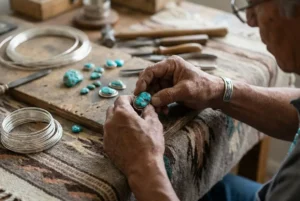
Long before a finished bracelet reaches a collector, it exists only as an idea in the mind of an artisan. Every stage of its creation involves careful judgement. The silversmith selects materials, studies the character of each gemstone, determines the proportions of the design, shapes the sterling silver, refines decorative details, and carefully balances every element until the composition feels complete. What appears effortless in the finished jewelry is often the result of years of experience supported by countless deliberate decisions that remain largely invisible to the casual observer.
Proper care protects the outcome of this remarkable creative process. Every engraved line preserved from unnecessary wear, every secure gemstone maintained through thoughtful handling, and every polished silver surface protected from avoidable damage allows the artisan’s original vision to remain visible for future generations. Collectors therefore become active participants in preserving artistic excellence rather than passive owners of beautiful objects.
Natural Materials Cannot Simply Be Recreated
One of the defining characteristics of Native American jewelry is the use of genuine natural gemstones whose individuality cannot be duplicated through manufacturing. Every turquoise cabochon, coral branch, lapis lazuli stone, piece of jet, or section of spiny oyster shell possesses unique colours, mineral formations, textures, and patterns created by geological processes extending over millions of years. These remarkable materials carry a natural identity that no technology can reproduce with complete authenticity.
When collectors protect these gemstones through careful handling, sensible storage, and responsible cleaning, they preserve something truly irreplaceable. Damage caused by neglect may permanently alter characteristics that nature required immense periods of time to create. Appreciating this perspective encourages greater patience and care, reminding owners that every gemstone deserves the same respect granted to any other extraordinary work of nature.
Preservation Honors the Artisan
Every handcrafted piece reflects not only technical skill but also the personal commitment of the artisan who created it. Native American silversmiths devote years to refining their techniques, developing artistic confidence, and learning to transform raw materials into balanced, enduring works of wearable art. Their craftsmanship deserves to be appreciated not only at the moment of purchase but throughout the entire lifetime of the jewelry.
Thoughtful care becomes one of the most meaningful ways to honour that dedication. Protecting silver from unnecessary damage, maintaining gemstone settings, seeking professional servicing when appropriate, and storing jewelry responsibly all acknowledge the value of the artisan’s work. These actions demonstrate that craftsmanship is not viewed as disposable or temporary but as an artistic achievement worthy of long-term preservation and continued admiration.
Well Cared For Jewelry Preserves Family History
As years become decades, handcrafted jewelry gradually accumulates stories that extend far beyond its original creation. A bracelet worn during important milestones, a necklace given to celebrate an anniversary, a ring passed from parent to child, or a pendant carried through countless journeys eventually becomes woven into the history of a family. These memories cannot be separated from the jewelry because they become part of its identity, adding emotional depth to its artistic significance.
Proper care ensures that future generations inherit more than beautiful silver and gemstones. They inherit tangible connections to the people who wore them before. Every carefully preserved piece becomes a bridge between generations, allowing family history to remain visible through craftsmanship that continues to be worn, appreciated, and understood. Preservation therefore safeguards not only artistic heritage but also personal legacy.
Responsible Ownership Supports the Future of Craftsmanship
Every collector plays a role in sustaining appreciation for authentic Native American jewelry. Choosing handcrafted work, learning about the artistry behind it, caring for it responsibly, and sharing that knowledge with others all contribute to preserving a tradition that continues evolving through contemporary artisans. Responsible ownership demonstrates that exceptional craftsmanship deserves lasting recognition rather than temporary attention.
This commitment extends beyond individual collections. Jewelry that remains beautifully preserved serves as an educational resource for future collectors, inspiring greater understanding of silversmithing techniques, natural gemstones, artistic design, and cultural craftsmanship. Each well-maintained piece becomes evidence that extraordinary artistry is worth protecting, encouraging future generations to value authenticity over mass production and craftsmanship over convenience.
The Legacy of Care Continues Beyond Ownership
Perhaps the most remarkable aspect of proper jewelry care is that its benefits often extend far beyond the lifetime of the original collector. Every thoughtful decision made today influences how the jewelry will be experienced decades from now. A bracelet carefully maintained may one day inspire a grandchild’s appreciation for handcrafted artistry. A pendant preserved with its documentation may become an important family heirloom. A ring protected from unnecessary damage may continue to be worn long after its original owner is gone.
This understanding gives every act of preservation deeper meaning. Caring for Native American jewelry is not simply about maintaining beautiful possessions. It is about ensuring that craftsmanship, artistic excellence, natural beauty, and personal history remain connected for those who will one day inherit the privilege of appreciating them.
Conclusion
Proper care protects far more than sterling silver and natural gemstones. It preserves the vision of the artisan, the individuality of natural materials, the history accumulated through generations of ownership, and the enduring tradition of Native American craftsmanship. Every careful habit, from thoughtful storage and gentle cleaning to responsible wear and professional maintenance, contributes to safeguarding something truly irreplaceable.
Ultimately, caring for Native American jewelry is an act of stewardship. It reflects gratitude for remarkable craftsmanship, respect for the artistry that created it, and a commitment to ensuring that future generations experience the same beauty, inspiration, and cultural significance that first captivated today’s collectors. Through thoughtful preservation, handcrafted jewelry continues fulfilling its greatest purpose: connecting people, artistry, history, and tradition across generations.