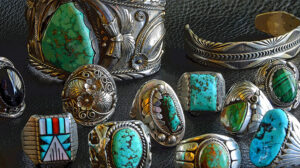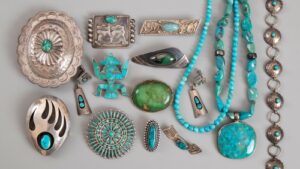
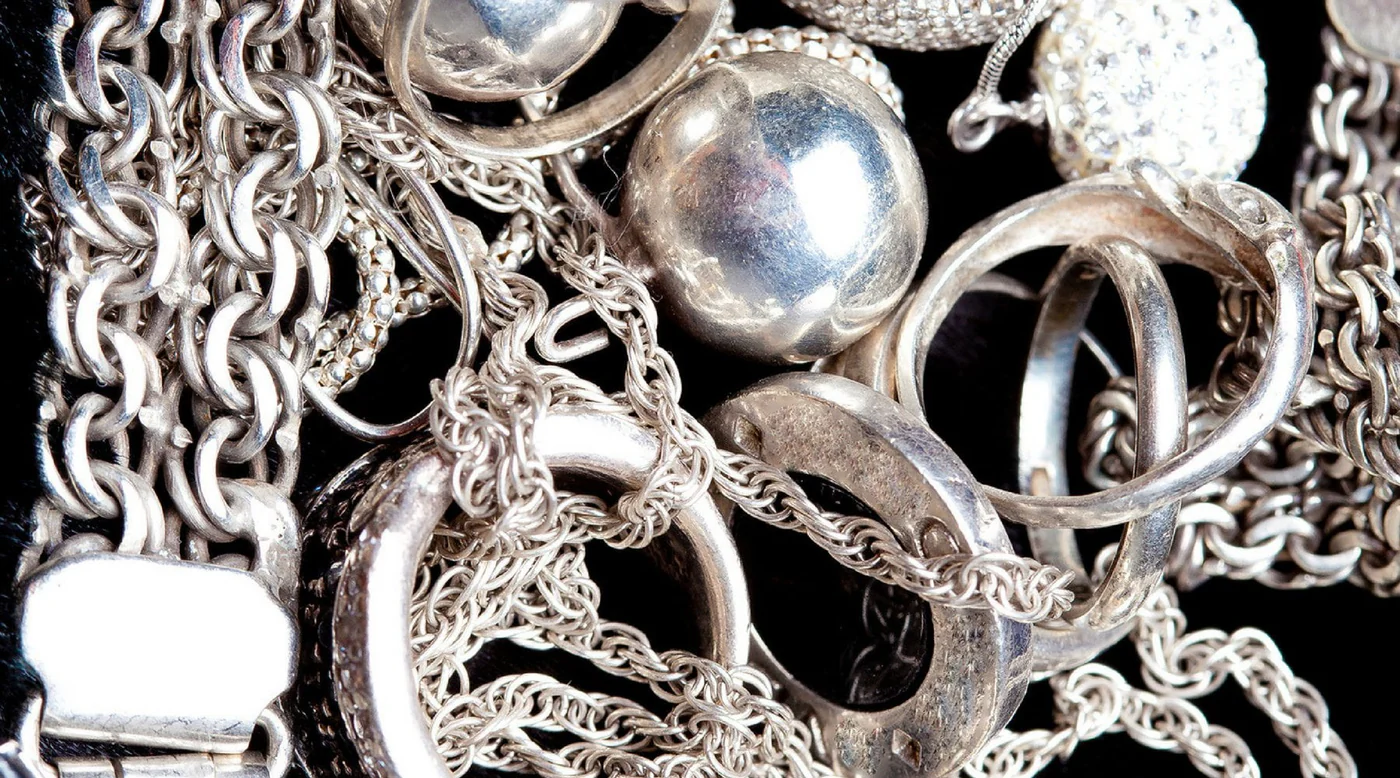
One of the first changes many collectors notice in sterling silver jewelry is the gradual appearance of tarnish. For some, it creates unnecessary concern, leading them to believe their jewelry is deteriorating or losing quality. In reality, tarnish is a completely natural characteristic of sterling silver and should not be mistaken for damage or poor craftsmanship. Even museum-quality silver pieces, historic collections, and newly handcrafted Native American jewelry will develop tarnish over time when exposed to their environment. Understanding why this occurs is the first step toward preserving silver properly while appreciating its remarkable durability.
Rather than viewing tarnish as a defect, experienced collectors recognise it as a normal part of silver ownership. The focus is not on preventing every trace of oxidation forever, because that is neither realistic nor necessary. Instead, the objective is to manage tarnish responsibly through good storage habits, regular care, and gentle maintenance that protects the craftsmanship without unnecessarily altering the character of the jewelry. This balanced approach allows sterling silver to retain both its beauty and its integrity for decades.
Why Sterling Silver Naturally Changes Over Time
Sterling silver is prized because of its strength, brilliant lustre, and exceptional workability, making it one of the finest materials for handcrafted jewelry. Unlike pure silver, which is relatively soft, sterling silver contains a carefully balanced alloy that improves durability for everyday wear. This composition also means the metal naturally reacts with sulphur compounds and other elements present in the surrounding environment. Over time, these natural reactions create a thin layer of tarnish on the surface, gradually softening the bright finish without affecting the underlying structure of the silver itself.
The speed at which tarnish develops varies considerably from one environment to another. Humidity, air quality, household chemicals, cosmetics, skin chemistry, and even the way jewelry is stored all influence how quickly oxidation appears. For this reason, two identical bracelets kept under different conditions may age very differently despite being crafted from the same sterling silver. These natural variations are simply part of owning authentic silver jewelry and should be expected rather than feared.
Tarnish Is Not the Same as Damage
A common misconception among new collectors is that tarnish indicates permanent deterioration. In truth, tarnish affects only the surface of the silver and can usually be managed through appropriate care. Structural damage, by contrast, involves bent components, worn settings, deep scratches, loose gemstones, or physical stress that compromises the integrity of the jewelry. Understanding this distinction helps collectors respond appropriately without resorting to unnecessary or overly aggressive cleaning methods.
In fact, slight oxidation is sometimes intentionally incorporated into Native American jewelry by skilled artisans. Controlled oxidation can enhance engraved details, emphasise stamp work, and create visual depth that highlights the craftsmanship. This decorative finish should not be confused with neglect or excessive tarnish. Appreciating the difference allows collectors to preserve the artistic intent of the piece while maintaining its overall appearance with confidence.
Everyday Habits Influence Silver More Than Time Alone
Many people assume that age is the primary cause of tarnish, yet daily habits often have a much greater impact. Jewelry exposed regularly to moisture, household cleaning products, perfumes, lotions, chlorinated water, or prolonged humidity may tarnish more quickly than pieces carefully handled and properly stored. Likewise, leaving silver exposed to open air for extended periods encourages oxidation that could otherwise be reduced through simple preventative measures.
Fortunately, good habits require very little effort. Removing jewelry before swimming or household cleaning, wiping it gently after wearing it, and storing it in a clean, dry environment all contribute significantly to slowing natural tarnish. These practical routines help preserve the brilliant finish of sterling silver while reducing the need for frequent polishing. Over many years, consistent preventative care proves far more effective than repeated attempts to restore heavily tarnished jewelry.
Gentle Maintenance Preserves the Craftsmanship
When tarnish eventually appears, patience is far more valuable than aggressive polishing. A high quality silver polishing cloth is often all that is needed to restore brightness while preserving decorative details and protecting the surrounding gemstones. Gentle maintenance removes surface oxidation gradually without unnecessarily wearing the silver or affecting the refined finishing achieved by the artisan during the creation of the piece.
Collectors should avoid treating every piece in exactly the same way. Jewelry featuring natural turquoise, coral, jet, shell, lapis lazuli, or other sensitive materials deserves additional consideration because certain commercial silver cleaners may not be appropriate for all gemstones. Understanding the relationship between silver and natural materials encourages a careful, informed approach that protects the entire piece rather than focusing solely on the metal.
Well Preserved Silver Tells a Story of Care
Over time, sterling silver develops a quiet character that reflects both its craftsmanship and the care it has received throughout its life. Jewelry that has been thoughtfully maintained often displays crisp decorative details, smooth polished surfaces, secure stone settings, and a richness that cannot be manufactured. Rather than appearing worn, it reflects decades of careful stewardship, demonstrating that exceptional craftsmanship deserves equally exceptional care.
Collectors who understand this perspective rarely chase a permanently flawless finish. Instead, they aim to preserve the jewelry honestly, respecting both the natural behaviour of sterling silver and the artistic vision of the silversmith. Every careful decision, from proper storage to gentle polishing, contributes to the continued beauty of the piece while ensuring that future generations experience it much as its creator intended.
Conclusion
Sterling silver tarnish is a natural characteristic of authentic silver, not a sign of inferior quality or failing craftsmanship. Understanding why oxidation occurs allows collectors to care for their Native American jewelry with greater confidence, replacing unnecessary concern with practical knowledge and thoughtful preservation. Gentle maintenance, sensible storage, and consistent daily habits provide the most effective protection while preserving both the appearance and artistic integrity of every handcrafted piece.
When viewed through the eyes of an informed collector, sterling silver becomes more than a precious metal. It becomes a living material that responds naturally to its surroundings while continuing to showcase the remarkable skill of the artisan who shaped it. Caring for that silver with patience and understanding ensures that its beauty, craftsmanship, and legacy remain intact for many generations to come.