The first impression of a gemstone is almost always visual. Rich colour, striking patterns, and polished surfaces immediately capture attention, encouraging us to decide whether a stone is beautiful within seconds. Yet the most experienced collectors rarely stop there. They understand that exceptional gemstones reveal their finest qualities gradually, rewarding careful observation rather than quick judgement. What appears impressive from a distance may lose its appeal under closer examination, while a quieter stone often becomes increasingly remarkable the longer it is studied.
This shift in perspective marks an important stage in every collector’s journey. Instead of asking, “Is this stone attractive?” the question becomes, “What makes this gemstone exceptional?” The answer involves craftsmanship, proportion, natural character, and the relationship between the stone and the jewelry that surrounds it. Learning to recognise these qualities transforms appreciation from simple admiration into genuine understanding.
Balance Often Matters More Than Brilliance
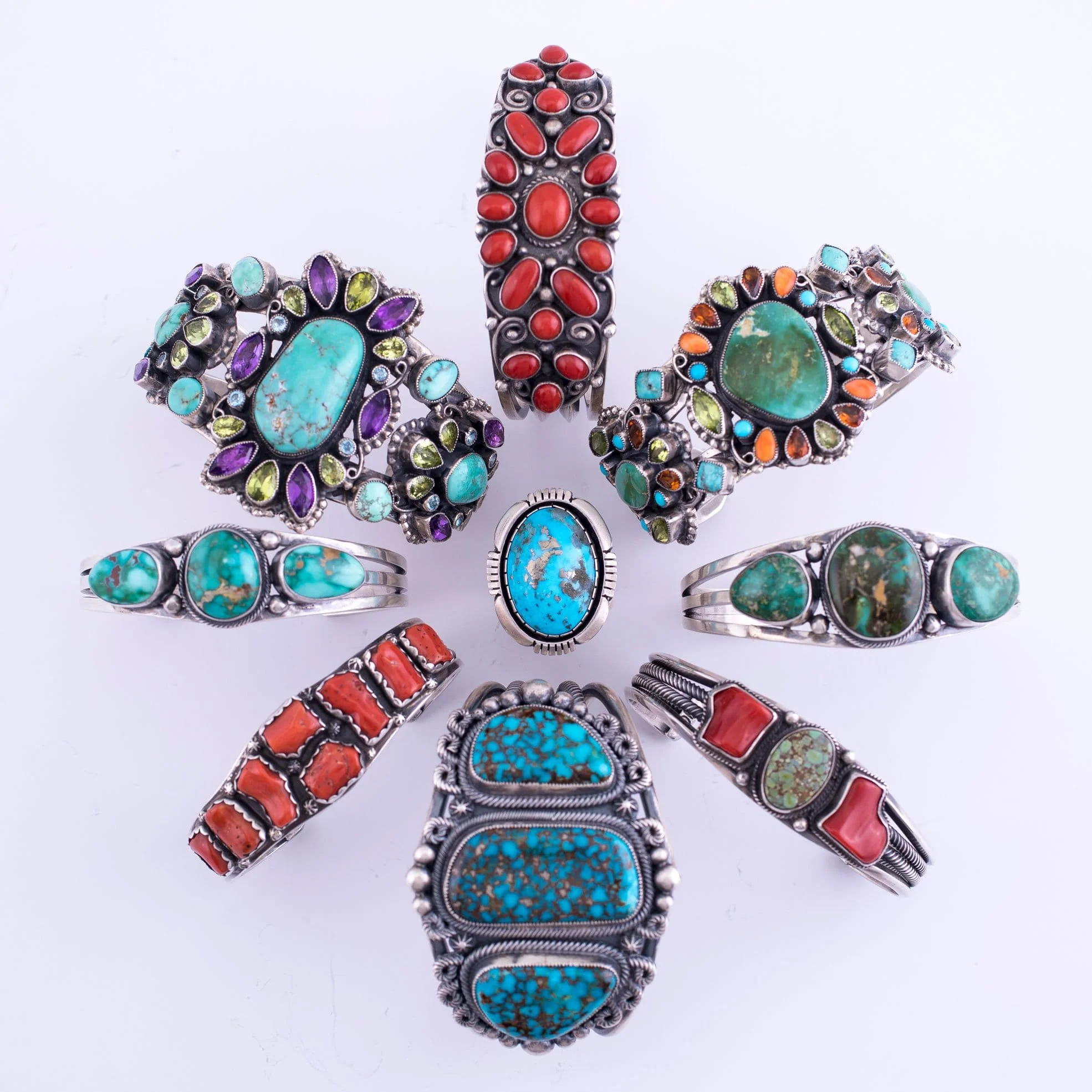
A gemstone should never dominate a piece of jewelry simply because it is large or vividly coloured. The finest Native American jewelry demonstrates that successful design depends upon balance, where the stone and the silverwork complement one another instead of competing for attention. Even the most beautiful turquoise can lose its impact if the proportions of the surrounding design feel awkward or unrefined.
Exceptional artisans understand this instinctively. They create settings that frame the gemstone naturally, allowing its colour, shape, and character to become the focal point without overwhelming the composition. When every element feels perfectly proportioned, the jewelry appears effortless. This quiet sense of harmony is often one of the clearest signs of outstanding artistic judgement.
Natural Character Is a Strength, Not a Flaw
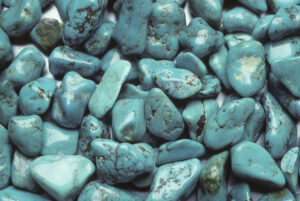
Many newcomers assume that the highest quality gemstones should appear perfectly uniform, free from variation or distinctive markings. Natural turquoise tells a different story. Colour transitions, matrix patterns, subtle inclusions, and organic textures are not imperfections to be eliminated but characteristics that confirm the gemstone’s natural origin. They remind us that every stone was formed through geological processes that unfolded over millions of years, making complete uniformity both uncommon and unnecessary.
Experienced collectors often become increasingly drawn to these natural details. A remarkable spiderweb matrix, an unusual colour transition, or a beautifully irregular pattern can make one stone instantly memorable among hundreds of others. These characteristics create personality, giving every handcrafted piece a visual identity that manufactured materials simply cannot reproduce.
Precision Reveals the Quality of the Stone
The way a gemstone has been prepared plays a significant role in its overall appearance. A well cut cabochon should display smooth curves, balanced proportions, refined symmetry, and a polished surface that enhances the stone without masking its natural beauty. Careful shaping allows light to move gracefully across the surface while preserving the unique characteristics that make the gemstone individual.
Equally important is the relationship between the stone and its setting. A precisely fitted bezel demonstrates respect for both the material and the craftsmanship. Clean edges, secure positioning, and thoughtful proportions allow the gemstone to appear naturally integrated into the design rather than simply attached to it. These details may seem subtle, yet they contribute enormously to the overall quality of the finished jewelry.
The Best Gemstones Strengthen the Entire Design
Outstanding gemstones do more than attract attention. They elevate the jewelry around them. A thoughtfully selected stone influences every artistic decision, from the shape of the silverwork to the placement of decorative details and the overall balance of the composition. Rather than existing as an isolated feature, the gemstone becomes the foundation upon which the entire design is built.
This relationship explains why two pieces featuring similar turquoise can feel completely different. One may appear ordinary because the design fails to support the stone, while another becomes extraordinary because every surrounding element has been created to celebrate its natural beauty. Great jewelry succeeds through harmony, not individual components competing for attention.
Knowledge Changes What the Eye Sees
One of the greatest rewards of studying gemstones is discovering how observation evolves with experience. The qualities that first attracted attention gradually become only one part of a much larger picture. Collectors begin noticing polish, proportions, matrix distribution, colour consistency, craftsmanship, and the confidence with which the stone has been incorporated into the finished design. Every new piece becomes an opportunity to refine the eye and deepen appreciation.
This process never truly ends. Even seasoned collectors continue discovering new subtleties in gemstones they have admired for years. That ongoing education is part of what makes Native American jewelry so rewarding. Every carefully chosen stone offers another lesson in nature, artistry, and craftsmanship.
Conclusion
Appreciating gemstone quality requires looking beyond immediate appearance and recognising the many qualities that contribute to lasting beauty. Colour may introduce a stone, but proportion, natural character, precision, craftsmanship, and artistic harmony determine whether it becomes truly exceptional. These are the characteristics that continue rewarding careful observation long after the first impression has passed.
As knowledge grows, so does appreciation. Every gemstone becomes more than a decorative feature set into silver. It becomes a remarkable product of nature, thoughtfully selected by an artisan and transformed into a piece of jewelry whose beauty lies not only in what is immediately seen, but also in everything that careful observation continues to reveal.