Traveling With Native American Jewelry: A Complete Care Guide
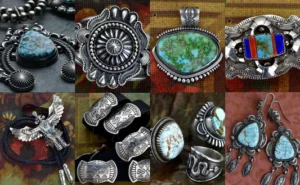
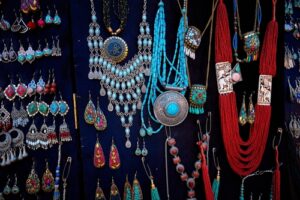
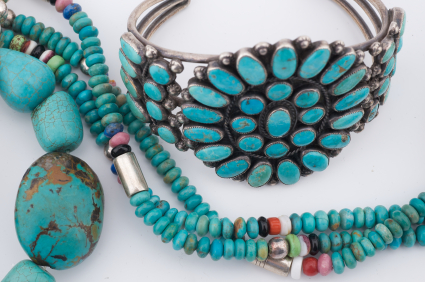
Traveling with Native American jewelry allows collectors to enjoy exceptional craftsmanship wherever life takes them, whether attending business meetings, formal events, family celebrations, cultural gatherings, or international journeys. Many handcrafted bracelets, pendants, rings, necklaces, earrings, and concho belts become trusted companions through life’s most memorable experiences, quietly collecting stories alongside the people who wear them. However, travel also introduces conditions that jewelry does not normally encounter at home. Frequent packing, changing climates, airport security, hotel accommodations, and increased movement all require thoughtful preparation to ensure every piece remains protected throughout the journey.
The goal is not to discourage traveling with valuable jewelry but to approach it with the same care that collectors apply to every other aspect of ownership. Exceptional Native American jewelry is created to be appreciated, not hidden away indefinitely. By planning ahead and understanding the practical challenges that travel presents, collectors can confidently wear their favorite pieces while reducing unnecessary risks that may affect their condition or long-term preservation.
Travel Only With Pieces You Intend to Wear
One of the most effective ways to protect a jewelry collection during travel is surprisingly simple: carry only the pieces you genuinely expect to wear. It can be tempting to bring numerous bracelets, rings, pendants, and earrings to accommodate every possible occasion, but unnecessary quantity increases both the complexity of organisation and the likelihood of accidental damage or loss. A thoughtfully selected group of versatile pieces often provides more than enough flexibility while allowing every item to receive the attention it deserves.
Choosing jewelry intentionally also encourages appreciation rather than excess. Instead of repeatedly unpacking and repacking a large collection, collectors spend more time enjoying a smaller selection of meaningful handcrafted pieces. This careful approach reduces unnecessary handling, limits opportunities for scratches or impacts, and simplifies storage throughout the journey without diminishing the enjoyment of wearing authentic Native American craftsmanship.
Pack Jewelry With Protection in Mind
The greatest risk to jewelry during travel often occurs before the journey even begins. Placing loose bracelets, rings, necklaces, or earrings together inside luggage allows them to rub against one another continuously as bags are moved, lifted, and transported. Even carefully handcrafted sterling silver can develop unnecessary surface scratches through repeated friction, while natural gemstones may experience avoidable contact with harder materials if stored without protection.
Every piece should therefore be packed individually using soft protective pouches, dedicated travel jewelry cases, or compartmentalised organisers designed to keep items separated throughout transit. Necklaces should be secured to prevent tangling, gemstone surfaces should never support the weight of heavier jewelry, and bracelets should remain protected from unnecessary pressure inside luggage. These simple precautions preserve the original finish of the silver while safeguarding the natural beauty of every gemstone.
Keep Valuable Jewelry Close to You
Whenever possible, handcrafted Native American jewelry should remain with you rather than being packed inside checked luggage. Carry-on baggage provides greater control over the environment in which valuable pieces travel while reducing exposure to rough handling during baggage processing. Maintaining direct possession also allows collectors to monitor their jewelry throughout the journey rather than depending upon circumstances beyond their control.
During flights, train journeys, or extended travel days, it is equally important to avoid removing jewelry unnecessarily in public areas where small items can easily be misplaced. Rings, earrings, and pendants are particularly vulnerable because of their size, making consistent organisation one of the most effective methods of preventing accidental loss. Establishing a simple routine for handling jewelry throughout the journey greatly improves long-term security.
Protect Jewelry in Hotels and Temporary Accommodation
Hotels, holiday accommodation, and temporary residences introduce unfamiliar environments where daily routines may change. Rather than leaving jewelry scattered across bedside tables, bathroom counters, or dressing areas, designate a single secure location where every piece is stored whenever it is not being worn. This habit dramatically reduces the likelihood of forgetting jewelry during departure while also protecting it from accidental knocks or unnecessary exposure to moisture and cosmetics.
Collectors should also avoid placing jewelry near sinks, open windows, heating units, or humid bathrooms for extended periods. Although these locations may appear convenient during busy travel schedules, they often expose sterling silver and natural gemstones to conditions that are easily avoided. Consistent organisation allows every piece to remain protected regardless of how frequently travel plans change.
Climate Changes Can Affect Jewelry
Travel often involves moving between very different climates within a short period of time. Coastal humidity, dry desert air, tropical environments, mountain temperatures, and air-conditioned interiors each create unique conditions that may influence sterling silver and certain natural gemstones over extended periods. While quality Native American jewelry is designed to be enjoyed in a wide variety of settings, collectors should remain aware that environmental changes may require slightly greater attention to cleaning, storage, and handling.
After returning from travel, it is worthwhile to inspect each piece carefully before placing it back into long-term storage. Wiping away surface moisture, fingerprints, or accumulated dust with a soft cloth helps remove everyday residue collected during the journey while providing an opportunity to check gemstones, clasps, and settings for any signs of movement. This brief routine ensures that every piece returns home in the same excellent condition in which it departed.
Travel Should Add Stories, Not Wear
One of the most rewarding aspects of Native American jewelry is its ability to accompany collectors through important moments in life. A bracelet may be worn during an unforgettable journey across the world, a pendant may become associated with a family celebration, and a ring may quietly witness milestones that become cherished memories. These experiences enrich the meaning of handcrafted jewelry, transforming beautiful objects into deeply personal heirlooms connected to the stories of those who wear them.
Thoughtful travel habits allow these memories to accumulate without sacrificing the condition of the jewelry itself. Every carefully packed necklace, protected gemstone, and safely stored bracelet continues gathering experiences while remaining beautifully preserved for the future. In this way, travel becomes another chapter in the ongoing life of the jewelry rather than a source of unnecessary wear or avoidable damage.
Conclusion
Traveling with Native American jewelry should be approached with confidence, preparation, and respect for exceptional craftsmanship. Careful packing, secure storage, thoughtful organisation, and awareness of changing environments all contribute to preserving sterling silver, natural gemstones, and the artistic integrity of every handcrafted piece throughout every journey.
When collectors travel responsibly, they discover that authentic Native American jewelry becomes more than something they wear. It becomes a trusted companion that shares in life’s most meaningful experiences while retaining the beauty and craftsmanship that first inspired its place within the collection. With proper care, every journey adds memories rather than wear, ensuring that these remarkable works of art continue telling their stories for generations to come.