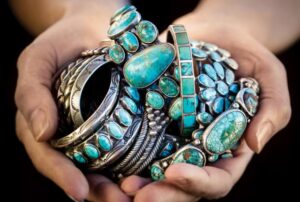
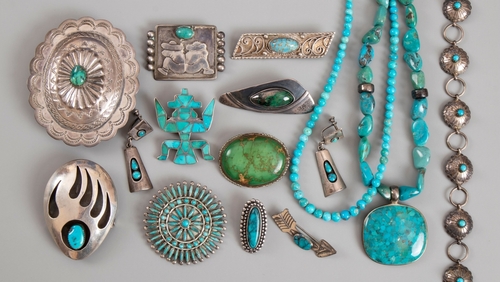
The remarkable tradition of Native American jewelry making has endured for generations not because it was preserved in books alone, but because it has been continually practiced, refined, and shared by skilled artisans dedicated to their craft. Every handcrafted bracelet, ring, pendant, necklace, pair of earrings, and concho belt represents knowledge accumulated over many years through observation, experience, patience, and continual refinement. The techniques that shape sterling silver into works of art are not learned overnight. They develop gradually through disciplined practice, careful guidance, and a lifelong commitment to craftsmanship that allows each generation to build upon the achievements of those who came before.
This continuous transfer of knowledge is one of the greatest strengths of Native American jewelry making. Rather than remaining fixed in the past, the tradition stays vibrant because experienced artisans continue inspiring new generations of silversmiths. Every lesson shared, every technique demonstrated, and every carefully completed piece contributes to an artistic legacy that remains alive through people rather than objects alone. The jewelry becomes visible evidence of an invisible process of learning that has continued for centuries.
Learning Begins With Observation
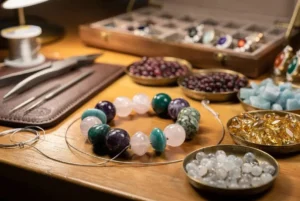
Before mastering tools or working with precious materials, aspiring artisans first learn to observe. Watching experienced silversmiths shape sterling silver, study natural gemstones, refine decorative details, and solve creative challenges provides an education that extends far beyond technical instruction. Observation teaches patience, discipline, proportion, and artistic judgement, allowing beginners to understand not only how a piece is created but why each decision contributes to the finished design.
This early stage of learning encourages careful attention to detail rather than hurried production. Future artisans gradually develop an eye for balance, craftsmanship, and precision by witnessing these qualities repeatedly throughout the creative process. Every observation becomes another foundation upon which practical skill can later be built, ensuring that technical ability develops alongside artistic understanding rather than existing independently of it.
Skill Is Developed Through Practice, Not Speed
The creation of exceptional Native American jewelry is the result of countless hours devoted to careful practice. Every clean silver bezel, every precisely engraved pattern, every polished surface, and every securely set gemstone reflects techniques refined through repetition rather than shortcuts. Experienced artisans understand that genuine craftsmanship cannot be rushed because every stage of the creative process depends upon accuracy, patience, and thoughtful execution.
This emphasis on continual improvement shapes the learning experience for every new craftsperson. Mistakes become valuable lessons rather than failures, encouraging resilience and deeper understanding with each completed project. Over time, confidence develops naturally as practical experience reinforces technical knowledge. The result is craftsmanship built upon solid foundations, allowing future artisans to produce work that reflects both technical excellence and artistic maturity.
Mentorship Preserves More Than Technique
One of the most valuable aspects of traditional jewelry making is the relationship between experienced artisans and those learning the craft. Mentorship extends beyond demonstrating how to shape silver or set gemstones. It also communicates attitudes toward quality, patience, responsibility, creativity, and respect for authentic craftsmanship. These principles influence every decision made throughout the artistic process, shaping not only what is created but how it is created.
The mentor also teaches lessons that cannot easily be written into manuals. Understanding when a design feels balanced, recognising the unique character of a natural gemstone, or knowing when a piece has reached its highest standard often develops through shared experience rather than formal instruction. This personal guidance ensures that artistic wisdom continues alongside technical ability, preserving the deeper values that define exceptional Native American jewelry.
Every Generation Adds Its Own Voice
Although traditional techniques remain the foundation of Native American jewelry making, each generation contributes fresh perspectives that keep the art form alive and relevant. New artisans study established craftsmanship while gradually developing their own artistic identity through experimentation, experience, and creative confidence. This process allows the tradition to evolve naturally without losing the qualities that have always defined its authenticity.
Collectors often recognise this evolution through subtle differences in design, silverwork, gemstone selection, and artistic interpretation. These individual expressions do not replace tradition but enrich it, demonstrating that authentic craftsmanship continues growing through creativity rather than imitation alone. Every new artisan becomes both a student of the past and a contributor to the future, strengthening the tradition through thoughtful innovation grounded in established excellence.
Knowledge Is Preserved Through Every Finished Piece
Every completed work of Native American jewelry serves as a record of the knowledge used to create it. A beautifully balanced bracelet reflects an understanding of proportion, a carefully crafted pendant demonstrates technical precision, and an expertly set gemstone reveals years of practical experience. Long after the tools have been set aside, the finished jewelry continues communicating the craftsmanship, discipline, and artistic judgement that shaped its creation.
This is one reason authentic handcrafted jewelry holds such enduring significance. Every piece preserves techniques that have been refined across generations while simultaneously becoming a source of inspiration for future artisans and collectors. The jewelry therefore functions not only as wearable art but also as a lasting educational resource that demonstrates the remarkable possibilities achieved through dedicated craftsmanship.
Passing Knowledge Forward Protects the Future
The future of Native American jewelry depends upon more than preserving existing collections. It depends upon ensuring that the knowledge required to create exceptional craftsmanship continues flowing from one generation to the next. Every artisan who shares experience, encourages learning, or inspires appreciation contributes directly to the continued vitality of the tradition. This ongoing commitment ensures that handcrafted jewelry remains a living artistic discipline rather than a historical achievement preserved only through finished works.
Collectors also participate in this process by valuing authentic craftsmanship, supporting skilled artisans, and taking time to understand the remarkable effort behind every handcrafted piece. Their appreciation encourages continued excellence while helping preserve the environment in which future generations of artisans can continue refining and expanding this extraordinary tradition.
Conclusion
Traditional Native American jewelry making skills survive because they are continually practiced, shared, refined, and respected. Through observation, mentorship, disciplined practice, creative growth, and lifelong dedication, artisans preserve a remarkable body of knowledge that has shaped one of the world’s finest traditions of handcrafted jewelry. Every new generation strengthens this legacy by building upon the achievements of those who came before while contributing fresh artistic perspectives of its own.
Every handcrafted bracelet, ring, pendant, necklace, pair of earrings, and concho belt stands as evidence that exceptional craftsmanship is never inherited automatically. It is earned through patience, experience, and an unwavering commitment to excellence. By understanding how these skills are passed down, collectors gain an even deeper appreciation for the extraordinary journey behind every authentic piece of Native American jewelry.