For many people, Southwestern jewelry is their first introduction to the remarkable world of handcrafted Native American artistry. Its bold sterling silver, vibrant natural gemstones, sculptural bracelets, squash blossom necklaces, concho belts, and distinctive craftsmanship have become instantly recognizable around the world. Yet the term Southwestern jewelry is often misunderstood. Some assume it refers to a single style, while others believe every piece is created in exactly the same way. In reality, Southwestern jewelry represents a rich artistic landscape shaped by geography, generations of craftsmanship, natural resources, and multiple creative traditions that have developed across the American Southwest.
Understanding Southwestern jewelry is not about memorizing technical terms or identifying every artistic tradition immediately. It begins with recognizing the characteristics that unite these remarkable creations while appreciating the individuality that makes every handcrafted piece unique. The more you understand the origins, materials, craftsmanship, and visual language of Southwestern jewelry, the easier it becomes to recognize quality, appreciate artistic diversity, and enjoy each piece for far more than its decorative beauty.
What Does “Southwestern Jewelry” Actually Mean?
The phrase Southwestern jewelry refers to handcrafted jewelry that reflects the artistic traditions, materials, and visual influences associated with the American Southwest. This region—particularly areas including Arizona, New Mexico, and parts of Utah and Colorado—is internationally recognized for its long-standing silversmithing traditions, exceptional natural gemstones, and distinctive artistic heritage. Rather than describing a single design style, Southwestern jewelry encompasses a broad family of handcrafted works that share regional influences while allowing individual artists and communities to express their own creative identities.
It is important to understand that Native American jewelry is one of the most significant and respected parts of Southwestern jewelry, but the two terms are not interchangeable. Southwestern jewelry is a broader regional category, while Native American jewelry refers specifically to jewelry created by Native American artists and communities. Recognizing this distinction helps beginners appreciate the diversity of Southwestern artistry while understanding the important place Native American silversmiths hold within its history and continued development.
Why the American Southwest Became a Center of Jewelry Artistry
The American Southwest provided an environment where exceptional craftsmanship could flourish through the combination of natural resources, regional trade, artistic exchange, and generations of skilled silversmithing. The region’s landscapes are home to some of the world’s most celebrated turquoise deposits, while access to other natural materials helped shape a jewelry tradition unlike any other. Over time, artisans refined techniques that transformed sterling silver and carefully selected gemstones into jewelry admired for both its artistic beauty and technical excellence.
Equally important was the exchange of ideas between communities throughout the Southwest. Over generations, artists continually refined their methods, introduced new decorative techniques, and developed distinctive visual styles while maintaining respect for established craftsmanship. This balance between tradition and innovation explains why Southwestern jewelry continues to evolve without losing the artistic identity that has made it internationally respected.
The Design Language That Makes Southwestern Jewelry Instantly Recognizable
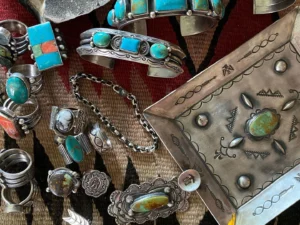
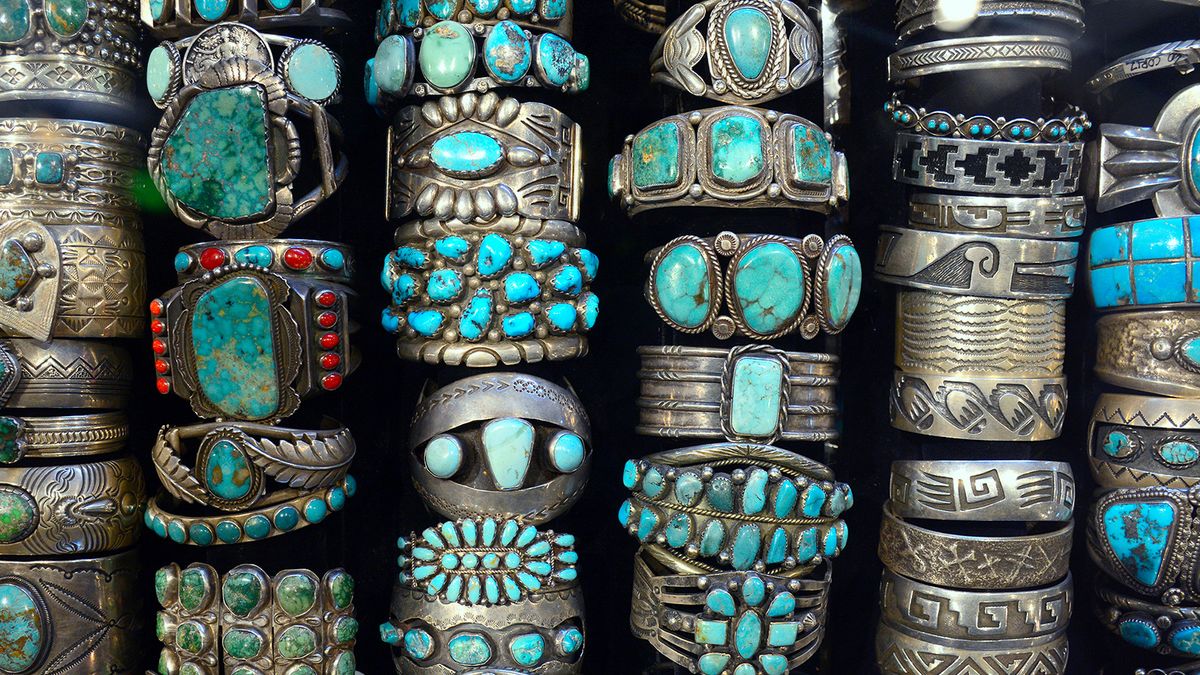
Every artistic tradition develops a visual language, and Southwestern jewelry is no exception. Although designs vary considerably, several characteristics appear throughout many handcrafted pieces. Bold sterling silver forms, carefully balanced proportions, decorative stamp work, engraved details, oxidized finishes, handcrafted silver beads, natural gemstones, and sculptural compositions all contribute to the unmistakable appearance of Southwestern jewelry. Rather than relying on excessive ornamentation, many designs achieve their impact through thoughtful proportion, clean lines, and the harmonious relationship between silver and stone.
Another defining characteristic is individuality. No two handcrafted pieces are expected to look identical because every artisan works with natural materials that vary in color, pattern, and structure. Even when two artists create the same type of bracelet or pendant, differences in craftsmanship, decorative techniques, and artistic interpretation ensure that each finished piece possesses its own personality. This originality is one of the qualities that collectors value most highly.
More Than Turquoise: The Remarkable Variety of Natural Materials
Turquoise is undoubtedly the gemstone most closely associated with Southwestern jewelry, yet it represents only one part of a much broader artistic tradition. Coral introduces vivid reds and warm orange tones that contrast beautifully with sterling silver. Spiny oyster shell contributes dramatic shades ranging from brilliant orange to deep purple, while jet, lapis lazuli, mother of pearl, onyx, opal, and other natural materials expand the creative possibilities available to artisans. Every material brings its own color, texture, durability, and visual character, allowing jewelry to express a wide spectrum of artistic styles.
Sterling silver provides the structural foundation that unites these materials. Its strength and versatility enable artisans to shape intricate forms, create secure gemstone settings, and introduce decorative techniques that enhance rather than compete with the natural beauty of each stone. Together, silver and natural materials create the balanced compositions that have become synonymous with Southwestern craftsmanship.
The Styles Every Beginner Should Learn to Recognize
One of the easiest ways to become familiar with Southwestern jewelry is by recognizing its most iconic forms. Wide handcrafted cuffs often showcase decorative silverwork and striking gemstones, while squash blossom necklaces demonstrate remarkable symmetry through handcrafted beads and their distinctive crescent-shaped centerpiece. Concho belts combine practical function with artistic silver ornamentation, and bolo ties represent one of the Southwest’s most recognizable accessories. Rings, pendants, earrings, bracelets, and necklaces each provide opportunities for artisans to explore different proportions, decorative techniques, and gemstone arrangements while maintaining the craftsmanship that defines the tradition.
Rather than trying to memorize every jewelry form immediately, beginners benefit from observing how each design balances silver, natural materials, and overall composition. Over time, these observations become instinctive, making it easier to recognize thoughtful craftsmanship regardless of the specific type of jewelry.
Appreciating Craftsmanship Before Following Trends
One of the most valuable lessons for anyone exploring Southwestern jewelry is that craftsmanship outlasts fashion. Designs may evolve, materials may become more widely appreciated, and personal preferences may change, but exceptional workmanship remains timeless. Experienced collectors often examine the quality of the silverwork before considering gemstone size or decorative complexity. They notice the precision of stamp work, the balance of the composition, the security of stone settings, and the care invested in finishing every visible and hidden detail.
This approach encourages buyers to appreciate jewelry through knowledge rather than impulse. As experience grows, many collectors discover that the most rewarding pieces are not always the largest or most elaborate but those that demonstrate thoughtful design, technical excellence, and artistic originality. Learning to recognize these qualities transforms the experience of collecting into an ongoing appreciation of craftsmanship.
Common Misconceptions About Southwestern Jewelry
Because Southwestern jewelry enjoys worldwide recognition, several misconceptions have developed around it. One of the most common is the belief that every piece contains turquoise or follows the same artistic style. In reality, artisans work with a remarkable variety of natural materials and design approaches, creating jewelry that ranges from bold statement pieces to refined minimalist compositions. Another misconception is that handcrafted jewelry should appear perfectly identical from one piece to another. Genuine craftsmanship embraces subtle variation, allowing each creation to reflect the individual decisions of its maker rather than the repetition of automated production.
It is also important to distinguish regional inspiration from artistic origin. While Southwestern jewelry reflects the landscapes, materials, and traditions of the region, understanding the difference between regional styles and the specific traditions of Native American jewelry helps readers appreciate both with greater accuracy and respect.
Your First Steps Into the World of Southwestern Jewelry
Every experienced collector was once a beginner. The best way to develop confidence is not by trying to learn everything at once but by becoming familiar with one aspect of Southwestern jewelry at a time. Study the different jewelry forms, compare natural gemstones, observe silverwork, learn how craftsmanship influences design, and gradually become comfortable recognizing the qualities that distinguish thoughtfully handcrafted pieces. Each new discovery adds another layer to your appreciation and makes future pieces even more meaningful.
Southwestern jewelry offers far more than visual beauty. It introduces a world where artistry, craftsmanship, natural materials, and regional heritage come together in remarkable harmony. Whether your interest leads you toward sterling silver cuffs, squash blossom necklaces, turquoise jewelry, elegant pendants, or handcrafted rings, understanding the foundations of Southwestern jewelry will allow you to explore this enduring artistic tradition with confidence, curiosity, and a lasting appreciation for the creativity behind every handcrafted piece.