How Native American Jewelry Design Has Evolved Across Generations
The most enduring artistic traditions are never frozen in time. They grow, adapt, and mature while remaining faithful to the principles that first established their identity. Native American jewelry is an outstanding example of this continuous evolution. Across generations, artisans have introduced fresh ideas, refined established techniques, explored new artistic compositions, and responded to changing audiences without losing the craftsmanship and creative integrity that define their work. Every generation contributes its own voice, allowing the tradition to remain vibrant while preserving the remarkable standards developed by those who came before.
Understanding this evolution helps explain why Native American jewelry continues to inspire collectors, museums, artists, and historians throughout the world. Rather than viewing historic and contemporary works as separate artistic movements, it is more accurate to see them as chapters within the same ongoing story. Each generation inherits knowledge, expands upon it, and leaves behind new ideas that strengthen the future of the craft.
Every Generation Builds Upon a Strong Foundation
The earliest generations of Native American silversmiths established far more than technical methods. They created a philosophy of craftsmanship centred on precision, patience, balance, and respect for natural materials. These principles became the foundation upon which later artisans continued to build. Instead of replacing traditional knowledge, succeeding generations refined it through continual practice, observation, and creative exploration.
This process of gradual refinement explains why Native American jewelry demonstrates such remarkable continuity. While individual artistic styles naturally differ, the underlying commitment to quality remains consistent. Whether examining an older handcrafted bracelet or a contemporary pendant, collectors frequently recognise the same disciplined approach to proportion, structural integrity, and thoughtful composition that has defined the tradition for generations.
Artistic Expression Continues to Expand
As new generations entered the world of silversmithing, they brought fresh perspectives shaped by personal creativity, changing artistic influences, and evolving design preferences. Some explored cleaner, more contemporary compositions, while others embraced increasingly detailed silverwork or experimented with innovative arrangements of natural gemstones. These developments broadened the visual language of Native American jewelry without weakening its artistic identity.
Creative evolution should never be mistaken for abandoning tradition. Instead, it demonstrates the confidence of artisans who thoroughly understand established craftsmanship before introducing their own interpretations. Innovation becomes most successful when it grows naturally from knowledge rather than attempting to replace it. This balance has allowed Native American jewelry to remain both recognisable and continually refreshing.
New Materials and New Possibilities
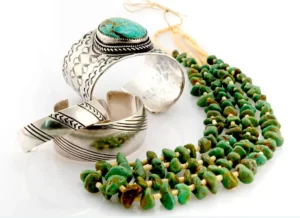
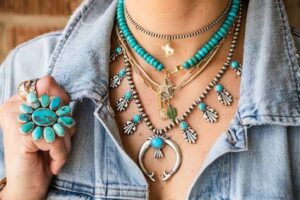
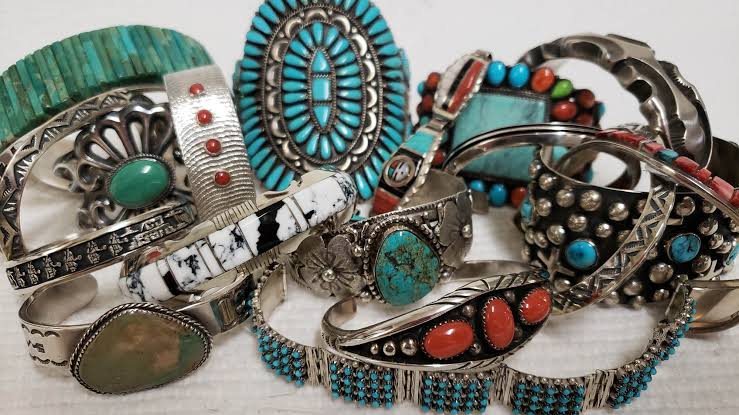
The creative evolution of Native American jewelry has also been influenced by the expanding variety of natural materials available to artisans. While sterling silver remains the foundation of countless designs, artists have continued exploring different combinations of turquoise, coral, lapis lazuli, jet, mother of pearl, spiny oyster shell, sugilite, and other natural stones. These materials have encouraged increasingly diverse colour palettes and artistic compositions while preserving the harmony that distinguishes exceptional craftsmanship.
What makes these developments particularly significant is the thoughtful way artisans integrate new materials into established design principles. Rather than following changing fashions, they evaluate how each material contributes to balance, proportion, and visual unity. This careful approach ensures that innovation strengthens the artistry of the finished piece instead of distracting from it.
Modern Tools Support Traditional Excellence
Advances in equipment have undoubtedly influenced the way contemporary silversmiths work, yet the defining qualities of Native American jewelry continue to depend upon human judgement rather than technology alone. Improved tools allow greater efficiency, precision, and consistency during certain stages of production, but they do not replace the artistic decisions that determine the character of the finished design. Creativity, experience, and craftsmanship remain the true driving forces behind exceptional jewelry.
Many contemporary artisans combine traditional hand techniques with carefully selected modern equipment to improve workflow while preserving the individuality of handcrafted work. This practical balance demonstrates that respecting tradition does not require rejecting progress. Instead, it requires understanding which aspects of craftsmanship must always remain in the artisan’s hands.
Collectors Have Helped Shape Artistic Evolution
The evolution of Native American jewelry has not been influenced by artisans alone. Collectors, museums, galleries, and educational institutions have also played an important role by recognising outstanding craftsmanship and encouraging continued artistic excellence. As appreciation for handcrafted jewelry expanded internationally, artisans found new opportunities to explore ambitious designs while maintaining the standards that earned worldwide respect.
This relationship between creators and collectors continues today. Thoughtful collectors often seek originality, technical excellence, and meaningful artistic expression rather than temporary trends. Their appreciation encourages artisans to continue refining their work, ensuring that the tradition evolves through quality instead of commercial pressure. The result is an artistic dialogue in which both craftsmanship and appreciation continue growing together.
The Future Will Be Built Upon the Same Principles
Although design styles will undoubtedly continue evolving, the principles that define exceptional Native American jewelry are unlikely to change. Balance, craftsmanship, originality, respect for natural materials, and disciplined artistic judgement remain as relevant today as they were generations ago. These enduring values provide the stability that allows creativity to flourish without losing its identity.
Future generations of artisans will almost certainly introduce new ideas, fresh interpretations, and innovative compositions. Yet the strongest work will continue reflecting the same commitment to excellence that has guided Native American silversmithing from its earliest beginnings. Evolution, in this tradition, is not about leaving the past behind. It is about carrying its finest qualities confidently into the future.
Conclusion
The evolution of Native American jewelry demonstrates that great artistic traditions remain alive because they continue learning, adapting, and inspiring. Every generation inherits remarkable knowledge, contributes new creative perspectives, and strengthens the foundation for those who follow. This continuous process has produced a body of work admired not only for its beauty but also for its ability to remain relevant across changing times.
For collectors and admirers, understanding this journey enriches every encounter with handcrafted jewelry. Each bracelet, ring, pendant, necklace, or pair of earrings becomes more than a finished object. It becomes part of an artistic legacy that has been shaped by generations of creativity, craftsmanship, and an unwavering pursuit of excellence.