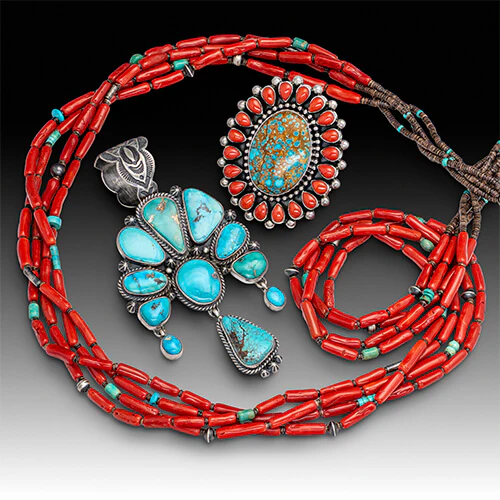
Buying Native American jewelry should never feel like a race against time. Whether you are acquiring your first handcrafted turquoise ring or adding an important piece to an established collection, every purchase deserves thoughtful consideration. Beautiful jewelry naturally attracts attention, but informed buyers understand that appearance alone rarely tells the complete story. Asking the right questions allows you to understand not only what you are buying, but also the craftsmanship, materials, and artistic choices that give the piece its lasting significance.
The most experienced collectors rarely begin by asking about price. Instead, they seek knowledge. They want to understand how the jewelry was made, what materials were used, whether the information being presented is transparent, and why a particular piece stands apart from others. These conversations often reveal far more than any product description ever could, helping buyers purchase with confidence rather than uncertainty.
Who Created the Piece and What Can You Learn About It?
One of the most valuable questions concerns the maker. If the artist is known, learning about their background, style, or hallmarks provides meaningful context that enriches the jewelry beyond its physical appearance. Understanding the artisan’s creative approach, preferred techniques, or signature design elements allows buyers to appreciate the piece as the work of an individual rather than viewing it simply as another item for sale.
Not every authentic piece will be attributed to a specific artist, particularly older examples, but transparency remains important. Reputable sellers should be willing to explain what is known about the jewelry, whether it is artist signed, traditionally handcrafted, vintage, contemporary, or created within a particular artistic tradition. Honest information builds trust and allows collectors to make informed decisions based on documented knowledge rather than assumptions.
Are the Materials Clearly Identified?
The quality of any piece begins with the materials selected by the artisan. Buyers should understand whether the jewelry is crafted from sterling silver, which gemstones are present, whether those stones are natural or stabilized where applicable, and whether any treatments have been disclosed. Clear answers demonstrate professionalism and respect for the buyer while removing unnecessary uncertainty from the purchasing process.
Equally important is understanding how the materials contribute to the design. A knowledgeable seller should be able to explain why a particular turquoise, coral, lapis lazuli, or other gemstone complements the silverwork and how the overall composition was developed. This discussion shifts attention away from marketing language and toward genuine craftsmanship, allowing buyers to appreciate the artistic decisions behind the finished piece.
How Was the Jewelry Made?
Understanding the construction of a piece often reveals more about its quality than its appearance alone. Asking whether the jewelry is handcrafted, how decorative techniques were achieved, or how gemstones have been set encourages meaningful conversations about craftsmanship rather than simply focusing on aesthetics. These details help buyers distinguish authentic artisan work from factory produced alternatives that may imitate traditional designs without reflecting the same level of skill.
Construction quality also influences long-term durability. Secure bezels, balanced proportions, carefully finished edges, and thoughtful structural design contribute directly to how comfortably the jewelry wears and how well it performs over time. A seller who understands these aspects demonstrates confidence in the craftsmanship rather than relying solely on visual appeal to support the sale.
Why Does This Piece Stand Out?
Every exceptional piece of Native American jewelry possesses qualities that distinguish it from others. It may feature an unusually beautiful gemstone, remarkable silverwork, an identifiable artistic style, outstanding balance, or an especially refined level of craftsmanship. Asking what makes the piece unique encourages sellers to discuss its genuine strengths instead of relying on broad or exaggerated claims.
This question also helps buyers develop a more discerning eye. Rather than comparing jewelry only by size or price, they begin evaluating originality, artistic execution, and the subtle characteristics that experienced collectors recognise as indicators of quality. Over time, this perspective leads to more thoughtful acquisitions and collections built upon appreciation rather than impulse.
Is the Seller Open, Knowledgeable, and Transparent?
Perhaps the most important question is not directed at the jewelry but at the buying experience itself. A reputable seller should welcome thoughtful discussion, answer questions honestly, and acknowledge when certain information is unavailable rather than speculating. Transparency creates confidence because it demonstrates that the relationship with the customer is built on education and integrity instead of sales pressure.
Buyers should feel comfortable asking about craftsmanship, materials, gemstone treatments, artist attribution, or care recommendations without feeling rushed into making a decision. The willingness to share accurate information is often one of the clearest signs that both the seller and the jewelry deserve serious consideration.
Conclusion
The best purchases begin with thoughtful questions rather than quick decisions. By learning about the artist, understanding the materials, examining craftsmanship, recognising what makes a piece distinctive, and choosing sellers who value transparency, collectors place themselves in the strongest position to make informed choices that remain satisfying for years to come.
Every handcrafted piece of Native American jewelry has a story worth discovering. Asking the right questions ensures that the story is understood before the purchase is made, transforming the experience from a simple transaction into the beginning of a lasting appreciation for exceptional artistry, authentic craftsmanship, and one of the world’s most respected jewelry traditions.