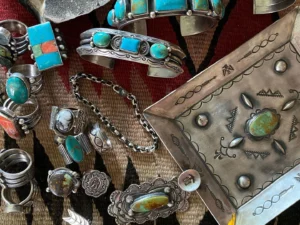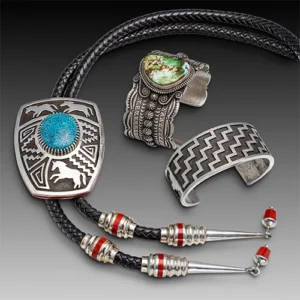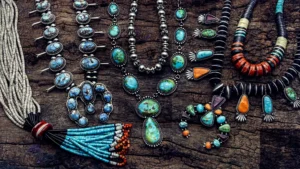
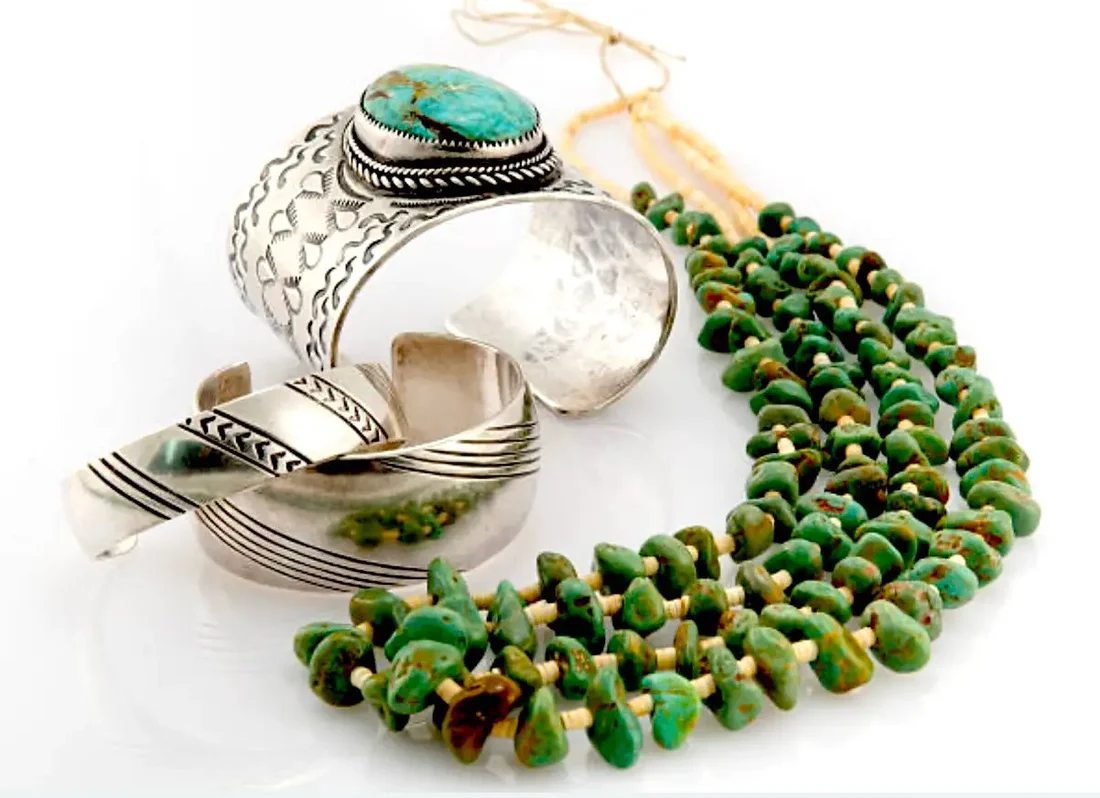
Buying your first piece of Native American jewelry is an exciting experience, but it can also be overwhelming. Beautiful turquoise, intricate silverwork, countless styles, and varying price points often make it difficult to know where to begin. Many first time buyers naturally focus on the most obvious features, such as colour or size, while overlooking the qualities that determine whether a piece will remain meaningful and enjoyable for decades. The result is that they sometimes purchase jewelry based on immediate appeal rather than lasting craftsmanship.
Fortunately, these mistakes are entirely avoidable. Developing a basic understanding of quality, materials, artistic design, and reputable buying practices allows collectors to approach every purchase with greater confidence. Rather than relying on impulse, they begin evaluating jewelry through the same thoughtful perspective used by experienced collectors, making every acquisition more rewarding both artistically and personally.
Choosing Appearance Over Craftsmanship
Perhaps the most common mistake is assuming that the largest gemstone or the brightest turquoise automatically represents the finest piece. While striking materials certainly contribute to a design, they cannot compensate for poor craftsmanship. Uneven silverwork, weak construction, poorly fitted bezels, or unbalanced proportions will eventually become far more noticeable than the initial beauty of the gemstone itself.
Exceptional Native American jewelry succeeds because every element supports the others. The silverwork frames the gemstone with confidence, decorative details feel purposeful rather than excessive, and the overall composition appears balanced from every angle. Buyers who learn to examine craftsmanship first often discover pieces whose beauty grows over time because their quality extends far beyond the first impression.
Purchasing Too Quickly Without Asking Questions
Many first time buyers hesitate to ask questions because they worry about appearing inexperienced. In reality, thoughtful questions demonstrate genuine interest and often lead to a far better understanding of the jewelry being considered. Asking about the materials, the artist, the gemstone, the construction, or the inspiration behind the design allows buyers to evaluate both the piece and the knowledge of the seller before making a decision.
A reputable retailer welcomes these conversations because they create transparency and trust. Buyers should never feel pressured to make immediate decisions or discouraged from requesting additional information. Taking time to understand the jewelry almost always leads to more satisfying purchases, while hurried decisions are more likely to result in regret after the excitement of the moment has passed.
Believing Every Piece Should Look Perfectly Uniform
Factory manufactured products often create the expectation that every item should appear identical. Natural gemstones and handcrafted silverwork follow a very different philosophy. Slight variations in matrix, colour, hand finishing, decorative details, and overall character are not signs of poor quality. They are evidence that the jewelry has been created by skilled artisans working with materials formed naturally rather than manufactured to identical specifications.
Understanding this distinction helps buyers appreciate authenticity instead of mistaking individuality for imperfection. Many of the qualities experienced collectors value most are precisely those subtle differences that cannot be reproduced through mass production. Rather than searching for flawless uniformity, buyers should learn to recognise the beauty found in originality and craftsmanship.
Focusing on Price Instead of Long Term Value
Price naturally influences purchasing decisions, but it should never become the only factor guiding them. An inexpensive piece that lacks quality may ultimately provide less satisfaction than a thoughtfully crafted work purchased with greater care. Likewise, a higher price does not automatically guarantee exceptional craftsmanship. The true value of Native American jewelry lies in the successful combination of artistry, materials, design, and durability rather than the number displayed on a price tag.
Experienced collectors often evaluate purchases over decades rather than days. They ask whether the craftsmanship will continue to impress, whether the design will remain timeless, and whether the jewelry reflects genuine artistic excellence. This long term perspective encourages thoughtful buying habits while helping collectors build collections based on quality instead of quantity.
Ignoring Comfort and Wearability
A beautiful piece should also be enjoyable to wear. First time buyers sometimes focus entirely on appearance without considering how the jewelry feels once it is on the hand, wrist, or neck. Weight, proportions, balance, smooth finishing, and overall construction all influence comfort, particularly when jewelry is intended for regular wear rather than occasional display.
Well designed Native American jewelry combines visual beauty with practical functionality. Bracelets should sit naturally on the wrist, rings should feel balanced, pendants should hang comfortably, and earrings should be proportioned appropriately. These practical qualities reflect the thoughtfulness of the artisan and contribute significantly to the long term enjoyment of the piece.
Building Knowledge Before Building a Collection
One of the wisest decisions any new collector can make is to invest in knowledge before investing heavily in jewelry. Learning about gemstones, silverwork, tribal artistry, hallmarks, craftsmanship, and design principles creates a strong foundation for future purchases. As understanding grows, buyers naturally become more selective, recognising qualities that may have gone unnoticed during their earliest collecting experiences.
The most respected collections are rarely assembled quickly. They develop through curiosity, patience, and continual learning. Every carefully chosen acquisition becomes another opportunity to deepen appreciation for Native American craftsmanship while building a collection that reflects personal taste, informed judgement, and lasting artistic value.
Conclusion
Every collector begins as a beginner, and every experienced enthusiast has learned valuable lessons through observation and study. Avoiding common mistakes is not about achieving perfection with the first purchase. It is about developing the confidence to recognise exceptional craftsmanship, ask meaningful questions, appreciate natural individuality, and make decisions based on knowledge rather than impulse.
When approached thoughtfully, buying Native American jewelry becomes far more than a shopping experience. It becomes the beginning of an ongoing appreciation for artistry, authenticity, and craftsmanship that continues growing with every new piece added to a collection.