One of the most fascinating aspects of handcrafted Native American jewelry is that many pieces carry a subtle mark linking them to the artisan who created them. Often impressed into the silver with remarkable simplicity, a hallmark or maker’s signature serves as far more than an identifying stamp. It represents authorship, accountability, craftsmanship, and artistic identity. For collectors, historians, and enthusiasts, these small markings can open the door to a deeper understanding of the jewelry’s origin and the individual behind its creation.
At the same time, hallmarks are frequently misunderstood. Some people believe every authentic piece must include one, while others assume a hallmark alone guarantees authenticity or determines value. The reality is far more nuanced. Understanding what hallmarks can and cannot reveal allows collectors to appreciate them as one valuable part of a much broader picture rather than treating them as the sole measure of quality or legitimacy.
More Than a Name Pressed Into Silver
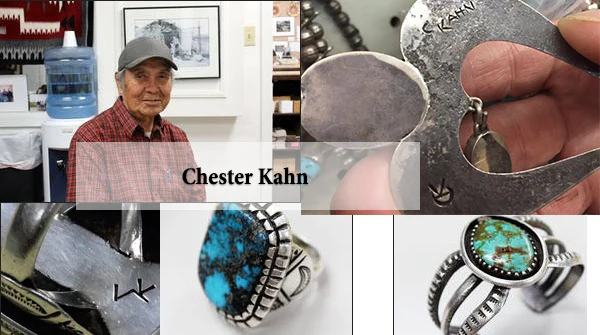
A hallmark represents the personal identity of an artisan expressed through metal rather than ink. It may consist of initials, a surname, a distinctive symbol, or a carefully designed maker’s mark that becomes associated with an individual throughout their career. Much like an artist signs a painting, a silversmith’s hallmark acknowledges creative ownership and reflects confidence in the craftsmanship behind the finished piece.
Over time, many maker’s marks become closely associated with particular artistic styles, allowing experienced collectors to recognise the work of certain artisans even before examining the hallmark itself. This relationship between signature and craftsmanship strengthens the connection between the jewelry and its creator, reminding us that every handcrafted piece originates from an individual artistic vision rather than anonymous production.
Why Hallmarks Became Important
As Native American jewelry gained wider recognition throughout the twentieth century, identifying individual artisans became increasingly important for collectors, galleries, museums, and historians. Hallmarks provided a practical way to distinguish one maker’s work from another while helping preserve the artistic legacy of accomplished silversmiths. They also encouraged greater appreciation for individual creativity by highlighting the contribution of the artisan rather than treating every handcrafted piece as part of a single anonymous tradition.
Today, hallmarks continue serving this important role. They allow collectors to trace artistic careers, recognise evolving design styles, and study how individual makers refined their techniques over time. For many enthusiasts, researching a hallmark becomes the beginning of a fascinating journey into the life and work of a particular artist.
What a Hallmark Can Tell You
Although every hallmark is unique, many provide useful clues when viewed alongside the jewelry itself. They may help identify the maker, suggest a general period of production, reveal artistic continuity across different works, or assist researchers in documenting important collections. Combined with careful observation of craftsmanship, materials, and design characteristics, a hallmark becomes a valuable source of information that enriches the story behind a handcrafted piece.
However, interpretation requires context. A hallmark should always be considered alongside construction quality, stylistic features, silverwork, and available documentation. No single mark can fully explain a piece of jewelry without considering the craftsmanship surrounding it.
What a Hallmark Cannot Guarantee
One of the most common misunderstandings among beginning collectors is the belief that a hallmark automatically confirms authenticity, age, or artistic importance. In reality, hallmarks are only one element of identification. Some authentic handcrafted pieces may not include a hallmark at all, particularly older works created before marking became common practice. Likewise, the presence of a hallmark does not eliminate the need to evaluate craftsmanship, design, materials, and overall quality.
Experienced collectors therefore avoid relying upon hallmarks in isolation. Instead, they approach identification as a process of gathering evidence from multiple sources. This balanced perspective encourages careful study while reducing the likelihood of drawing conclusions based upon a single feature.
Research Brings Hallmarks to Life
One of the most rewarding aspects of collecting is discovering the story behind a maker’s mark. A small hallmark may lead to decades of artistic achievement, museum exhibitions, published research, family traditions of silversmithing, or a distinctive design philosophy that shaped an artisan’s career. Every new discovery adds another layer of appreciation, transforming a simple signature into a meaningful connection between the collector and the craftsperson.
Research also deepens respect for the individuality of Native American jewelry. Instead of viewing handcrafted pieces as anonymous works, collectors begin recognising the remarkable diversity of artistic voices that have contributed to the tradition. Each hallmark represents not merely a name, but a lifetime of creativity expressed through silver and natural materials.
Appreciating the Artist Behind the Jewelry
Ultimately, the greatest value of a hallmark is not the mark itself but the person it represents. Every signature reflects years of learning, disciplined craftsmanship, artistic experimentation, and dedication to producing work of lasting quality. Recognising this human dimension changes the way handcrafted jewelry is appreciated. A bracelet, pendant, ring, or necklace becomes more than an attractive object. It becomes the work of an identifiable artist whose ideas, skills, and creative judgement remain visible in every carefully finished detail.
This perspective encourages a more meaningful approach to collecting. Rather than focusing solely on materials or decorative features, collectors begin appreciating the remarkable individuals whose talent continues to shape Native American jewelry generation after generation.
Conclusion
Artist hallmarks and maker signatures provide an important connection between handcrafted jewelry and the artisans who bring it to life. While these markings offer valuable insight into authorship and artistic identity, they are most meaningful when considered alongside craftsmanship, design, materials, and the broader story of the piece itself. Together, these elements create a richer understanding of every handcrafted creation.
For collectors, learning to interpret hallmarks is not simply an exercise in identification. It is an opportunity to discover the people, traditions, and artistic journeys that continue to define Native American jewelry. Every small mark impressed into silver serves as a quiet reminder that behind every exceptional piece stands an artisan whose creativity deserves to be recognised, remembered, and celebrated.