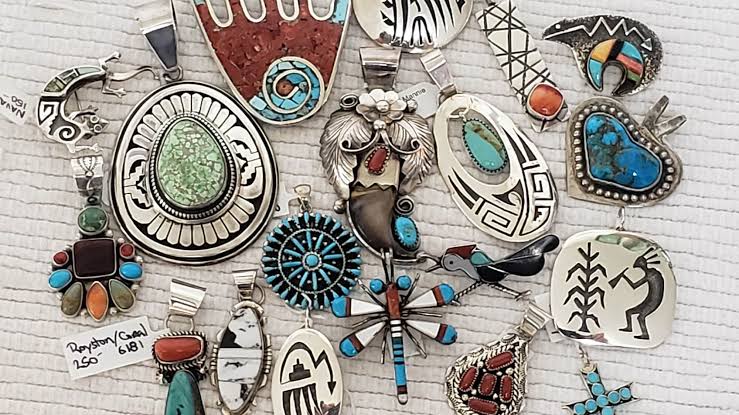
When purchasing Native American jewelry, collectors often encounter terms such as certificate of authenticity, artist documentation, provenance, and verified origin. While these terms are frequently used in the jewelry industry, they are not interchangeable, nor do they all carry the same meaning. Understanding what each represents allows buyers to evaluate a piece with greater confidence and prevents common misconceptions that can arise during the collecting process. Knowledge, rather than assumption, is one of the strongest safeguards when building a meaningful collection.
Authenticity is never established by a single document alone. A certificate may provide valuable supporting information, but exceptional Native American jewelry should also demonstrate outstanding craftsmanship, appropriate materials, artistic consistency, and transparent representation from the seller. The strongest purchasing decisions are made when documentation and the physical qualities of the jewelry support one another, creating a complete and trustworthy picture of the piece being offered.
Understanding What a Certificate of Authenticity Actually Means
A certificate of authenticity is intended to document specific information about a piece of jewelry. Depending on the seller or artist, it may include details such as the artisan’s name, the materials used, gemstone information, the date of creation, or other identifying characteristics. Its purpose is to provide written documentation that accompanies the jewelry, helping future owners better understand the background of the piece and preserve important information over time.
However, collectors should also recognise the limits of a certificate. The document itself does not create authenticity; it records information about the jewelry. Its value depends on the credibility of the person or organisation issuing it and the transparency of the information provided. For this reason, experienced collectors evaluate certificates alongside craftsmanship, artist attribution, hallmarks where applicable, and the reputation of the source from which the jewelry is purchased.
Provenance Adds Historical Depth to a Piece
Provenance refers to the documented history of ownership or origin associated with a piece of jewelry. While not every handcrafted item will have an extensive recorded history, provenance can become particularly valuable for artist signed works, historically significant pieces, vintage jewelry, or examples that have previously appeared in notable collections, galleries, exhibitions, or publications. This documented journey provides important context that extends beyond the physical characteristics of the jewelry itself.
Strong provenance also enriches the collecting experience by connecting the piece to real people and real places throughout its lifetime. Rather than existing as an isolated object, the jewelry becomes part of a larger narrative that reflects its movement through collections, families, exhibitions, or respected dealers. This additional layer of history often strengthens appreciation because it preserves the story alongside the craftsmanship.
Authenticity Begins With the Jewelry Itself
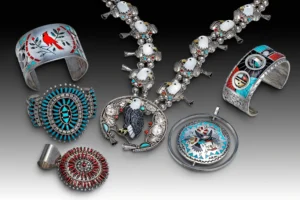
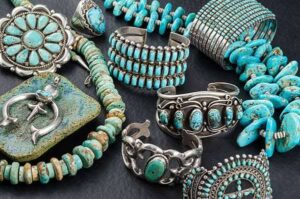
Before considering paperwork, experienced collectors examine the jewelry. They study the quality of the silverwork, the precision of the stone setting, the balance of the design, the consistency of decorative techniques, and the overall standard of craftsmanship. Authentic Native American jewelry reflects thoughtful artistic judgement and technical confidence that cannot easily be replicated through mass production. These physical characteristics frequently provide the strongest evidence of quality and authenticity.
Documentation should reinforce these observations rather than replace them. When the craftsmanship, materials, artist information, and accompanying documentation all align, buyers can approach their purchase with greater confidence. This balanced evaluation encourages informed collecting while reducing reliance on any single source of information.
The Reputation of the Seller Matters
Even the finest documentation has greater value when it comes from a reputable source. Established galleries, respected Native American artists, knowledgeable dealers, and trusted retailers understand the importance of accurate representation and transparent communication. They are generally willing to explain the history of a piece, discuss the materials used, clarify artist attribution where available, and answer detailed questions without hesitation.
Trustworthy sellers also acknowledge the limits of available information. Rather than making exaggerated claims or unsupported guarantees, they distinguish clearly between documented facts and reasonable conclusions. This honesty builds lasting relationships with collectors and reinforces confidence in every purchase. Transparency should always be viewed as an important indicator of professionalism within the Native American jewelry market.
Documentation Supports Collecting for Future Generations
Keeping certificates, purchase records, artist information, and any available provenance together with the jewelry benefits more than the current owner. These records help preserve the identity and history of the piece for future collectors, family members, museums, or appraisers who may one day study or inherit the collection. Well organised documentation contributes to the long-term appreciation of the jewelry by ensuring that valuable information remains connected to the craftsmanship it describes.
Many experienced collectors maintain detailed records of every acquisition, including photographs, purchase dates, invoices, artist biographies, and supporting documents. This practice transforms a personal collection into a carefully documented archive, strengthening both its historical value and its educational significance over time.
Conclusion
Certificates, authenticity, and provenance each contribute something valuable to the understanding of Native American jewelry, but none should be viewed in isolation. Authenticity begins with exceptional craftsmanship, thoughtful design, quality materials, and honest representation. Documentation strengthens that foundation by preserving important information and providing valuable context for future appreciation.
For collectors, the greatest confidence comes from combining careful observation with reliable documentation and knowledgeable sellers. When these elements work together, every purchase becomes more than an acquisition. It becomes a well-understood piece of artistic history, preserved not only through silver and gemstones but also through the story that accompanies it for generations to come.