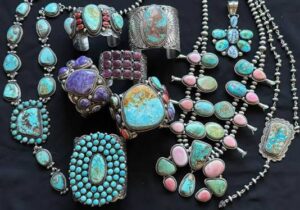
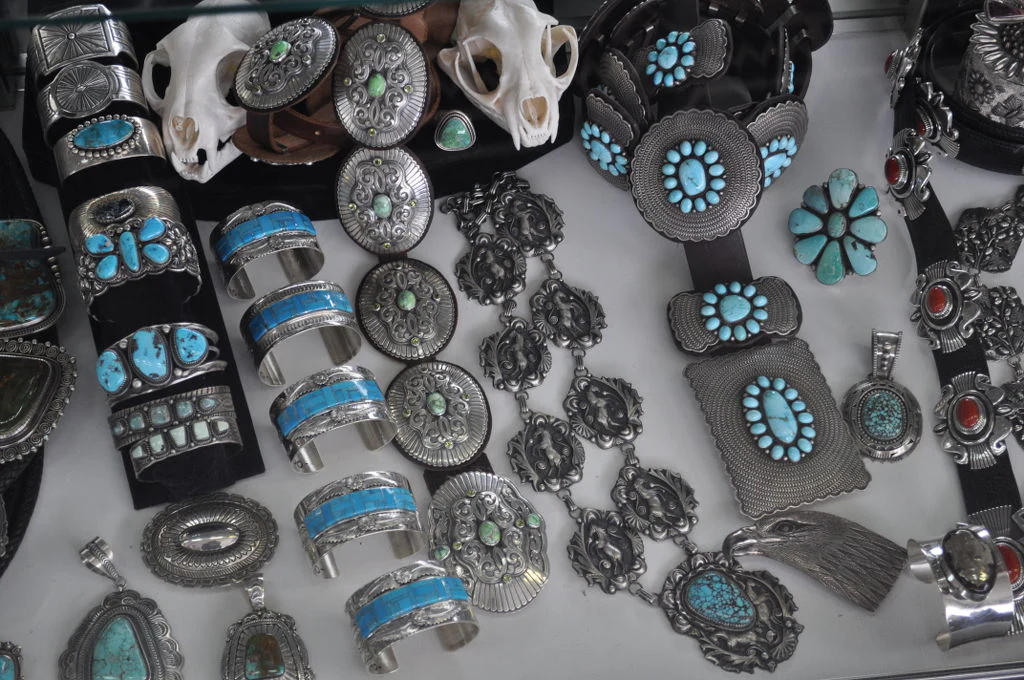
Authentic Native American jewelry is created to be admired, worn, and appreciated for many years, but its longevity depends greatly on how it is cared for. Every handcrafted bracelet, ring, pendant, necklace, pair of earrings, or concho belt represents countless hours of skilled silversmithing combined with the natural beauty of carefully selected gemstones. Unlike mass-produced accessories, these pieces are individual works of art whose craftsmanship deserves thoughtful stewardship. Proper care is therefore not simply a matter of maintaining appearance. It is an important part of preserving artistic integrity, protecting natural materials, and ensuring that every piece continues to reflect the quality envisioned by its maker.
Many collectors assume that jewelry care begins when tarnish appears or a gemstone loses its brilliance. In reality, preservation starts much earlier through everyday habits that reduce unnecessary wear before problems develop. Small decisions, such as how jewelry is handled, stored, cleaned, and worn, have a significant influence on its long-term condition. Consistent preventative care is always more effective than attempting to restore damage after it has occurred, allowing exceptional craftsmanship to remain beautiful while reducing the need for future repairs.
Daily Habits Have the Greatest Long Term Impact
The condition of Native American jewelry is shaped less by occasional cleaning than by the habits practiced every day. Removing jewelry before activities that expose it to unnecessary impact, harsh chemicals, excessive moisture, or abrasive surfaces helps preserve both sterling silver and natural gemstones. Simple routines such as putting jewelry on after applying cosmetics, fragrances, lotions, or hair products also minimise residue that can gradually dull polished surfaces or affect porous materials like turquoise and coral. These small precautions require little effort yet contribute enormously to maintaining the original appearance of handcrafted pieces.
Equally important is handling jewelry with care whenever it is removed. Rather than placing bracelets or rings loosely onto hard surfaces where accidental scratches may occur, collectors should develop the habit of placing each piece gently into a dedicated storage area immediately after wear. This consistent attention prevents unnecessary contact with harder objects, reduces the risk of accidental knocks, and preserves the fine decorative details that distinguish handcrafted Native American silverwork from ordinary jewelry.
Natural Gemstones Require Thoughtful Attention
One of the defining qualities of Native American jewelry is its use of genuine natural materials. Turquoise, coral, lapis lazuli, jet, spiny oyster shell, sugilite, and other gemstones each possess unique physical characteristics that deserve individual consideration. Unlike synthetic materials engineered for maximum uniformity, natural gemstones often vary in hardness, density, and porosity. Understanding these differences allows collectors to care for them appropriately while preserving the natural beauty that makes every piece unique.
Because many natural gemstones are sensitive to prolonged exposure to chemicals, excessive heat, and sudden temperature changes, they should always be treated with care. Gentle handling helps maintain their colour, surface finish, and structural integrity without unnecessary stress. Appreciating these materials as products of nature rather than manufactured components encourages a more thoughtful approach to ownership, ensuring that their individuality remains visible for generations rather than gradually diminishing through avoidable neglect.
Cleaning Should Preserve, Not Restore
Many people mistakenly believe that jewelry should be cleaned aggressively until it appears brand new. In reality, the purpose of routine cleaning is to preserve the existing condition of the jewelry rather than attempting dramatic restoration. A soft polishing cloth designed for sterling silver, combined with gentle removal of everyday dust and fingerprints, is often sufficient for regular maintenance. Frequent, careful attention is generally far safer than infrequent, intensive cleaning that may unnecessarily affect delicate decorative details or natural gemstones.
Collectors should also remember that different materials require different approaches. While sterling silver can often be polished carefully, natural gemstones should never be exposed indiscriminately to commercial cleaning products or abrasive compounds without confirming that they are suitable for the specific material involved. Thoughtful cleaning respects the individuality of every component, allowing both silver and gemstones to retain the qualities that make handcrafted jewelry distinctive.
Proper Storage Is Part of Proper Care
Excellent care continues even when jewelry is not being worn. Exposure to humidity, direct sunlight, airborne contaminants, and unnecessary contact with other jewelry can gradually influence both appearance and condition. Storing pieces individually in soft protective pouches, lined jewelry boxes, or dedicated compartments reduces friction while preventing gemstones and silver surfaces from rubbing against one another. This simple practice significantly lowers the likelihood of scratches, tangled chains, or accidental impacts during storage.
Organisation also benefits collectors in practical ways. Keeping documentation, artist information, certificates where applicable, and purchase records together with the jewelry creates a complete archive that supports both enjoyment and long-term preservation. Caring for Native American jewelry therefore involves protecting not only the physical object but also the valuable information that contributes to its history, authenticity, and significance.
Care Reflects Respect for Craftsmanship
Every handcrafted piece represents decisions made by an artisan who carefully balanced design, material selection, technical execution, and artistic expression. Looking after that work demonstrates respect for the time, experience, and creativity invested in its creation. Proper care ensures that engraved patterns remain crisp, polished surfaces continue reflecting light beautifully, gemstones retain their natural character, and structural integrity remains uncompromised through years of regular enjoyment.
Perhaps more importantly, careful preservation allows future generations to experience the jewelry as it was intended to be seen. Whether the piece remains within a personal collection or eventually becomes a treasured family heirloom, consistent care protects both its physical beauty and its artistic legacy. Every thoughtful habit adopted today contributes to preserving craftsmanship that may continue inspiring admiration for decades to come.
Conclusion
Caring for Native American jewelry extends far beyond routine maintenance. It is an ongoing commitment to preserving exceptional craftsmanship, natural gemstones, and the artistic vision that transformed raw materials into enduring works of wearable art. Every decision, from daily handling and thoughtful storage to gentle cleaning and preventative care, contributes to the long-term beauty and integrity of each handcrafted piece.
When approached with knowledge and consistency, jewelry care becomes an extension of collecting itself. It reflects an appreciation not only for sterling silver and remarkable gemstones, but also for the artisans whose creativity continues to shape one of the world’s most respected traditions of handcrafted jewelry. Proper care ensures that every bracelet, pendant, necklace, ring, and pair of earrings remains ready to be admired, worn, and ultimately passed forward with the same beauty and craftsmanship that first inspired its owner.